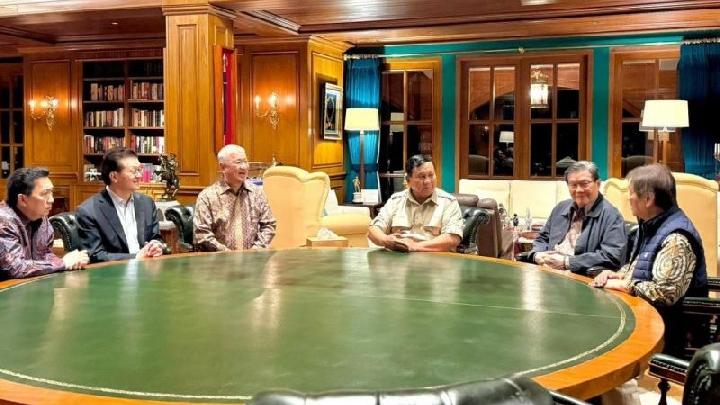
TEMPO.CO, Jakarta - Dozens of posts across social media platforms, including Instagram [archive] and Facebook, spread claims that Iranian Ambassador to Indonesia, Mohammad Boroujerdi, rejected President Prabowo Subianto's mediation offer with a stinging rebuke. The narrative claims that Boroujerdi urged Indonesia to focus on its own citizens rather than interfering in the conflict between the United States, Israel, and Iran.
The post featured a photo collage of Prabowo and Boroujerdi, captioned, "Indonesia's energy is better allocated to helping its own people, who still lack so much, rather than dealing with impossible mediation."
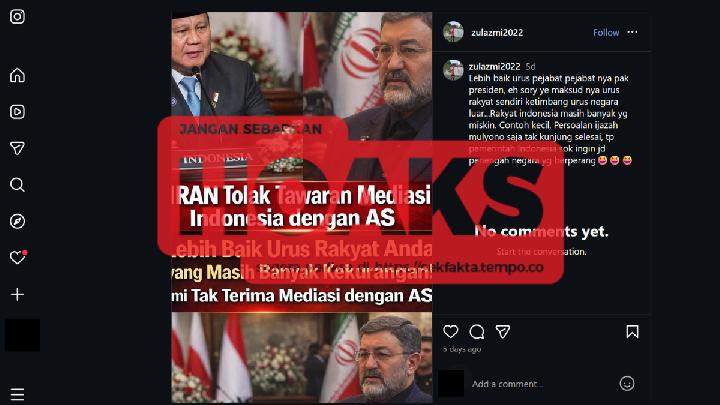
However, did Boroujerdi actually tell Prabowo to mind his own business?
FACT CHECK
Tempo verified the narrative by reviewing Boroujerdi's official statements. Results show that Mohammad Boroujerdi did indeed refuse to negotiate with the United States and Israel. However, he never suggested that President Prabowo should focus on his own people.
Tehran Rejects Talks, Not Prabowo
Hours after the United States and Israel's aggression against Iran on February 28, 2026, the Indonesian Ministry of Foreign Affairs stated that President Prabowo Subianto was prepared to fly to Tehran. "If both parties agree, the Indonesian President is willing to go to Tehran to mediate," the official statement read on Saturday, February 28, 2026.
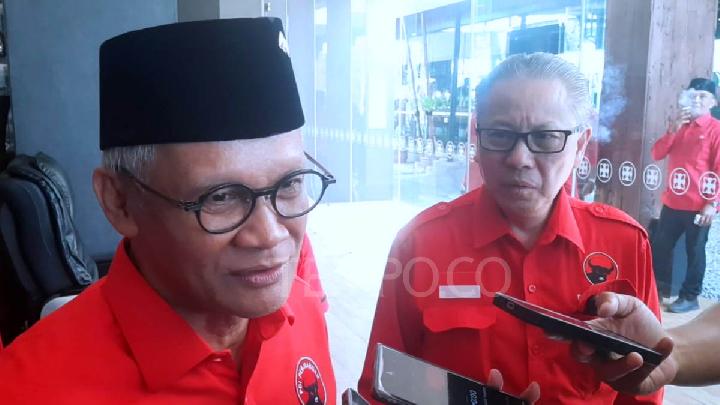
Responding to the offer from his residence in Menteng, Jakarta, on March 2, 2026, Ambassador Boroujerdi expressed appreciation for Prabowo's intentions and remained open to communication regarding the war.
However, he stood firm on Iran’s refusal to engage with Washington or Tel Aviv. "We believe that currently, no negotiations and discussions with the American government will be useful, because they are not bound and do not adhere to any outcomes," Boroujerdi said.
Tempo reviewed the full recording of Boroujerdi’s statement aired on the iNews YouTube channel. Throughout the nearly two-hour broadcast, there was no mention of the Ambassador urging Prabowo to prioritize domestic aid.
That same day, Ali Larijani, Secretary of Iran's Supreme National Security Council, similarly dismissed rumors of peace talks with Washington. "We will not negotiate with the US," Larijani stated.
On March 5, 2026, Boroujerdi reiterated his stance via Kompas TV. While again thanking Prabowo for his desire to end the hostilities, he explained that dialogue was off the table due to past experiences where diplomacy was met with U.S. military aggression.
"Regarding the Indonesian President's mediation proposal, this has been submitted to Tehran, and the response has been conveyed to Jakarta. In essence, we do not accept any negotiations involving America," Boroujerdi said.
Unrealistic Mediation Proposal
Prabowo’s mediation plan has indeed faced heavy domestic scrutiny. Several observers and former officials have characterized the move as unrealistic and likely impossible.
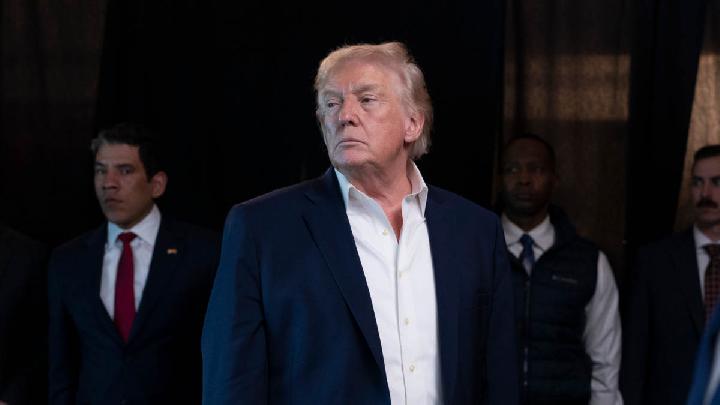
Former Deputy Foreign Minister Dino Patti Djalal described the ambition as a waste of energy. Tempo previously noted Dino’s analysis that Donald Trump aims to dismantle the Tehran regime without outside interference. Dino also pointed to a lack of diplomatic rapport between Jakarta and Tehran, as well as the skepticism of Iran's enemies toward any table Prabowo might set.
Former Vice President Jusuf Kalla also offered a dim assessment. Reporting from CNN Indonesia, Kalla argued that Indonesia's bargaining power does not equal that of the United States, rendering mediation in Tehran futile. He suggested that if Prabowo truly wishes to end the war, he should lobby Washington directly.
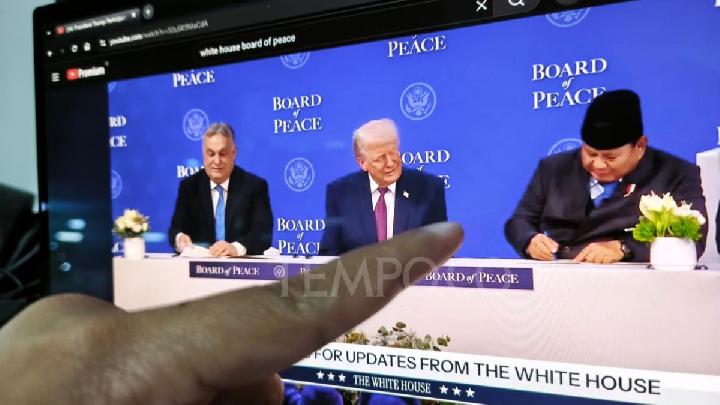
Tia Mariatul Kibtiah, an International Relations lecturer at Binus University, echoed these concerns. She argued that Jakarta's position weakened after it joined the Board of Peace—a body she claims is dominated by Donald Trump. This move, she believes, sparked disappointment in Tehran.
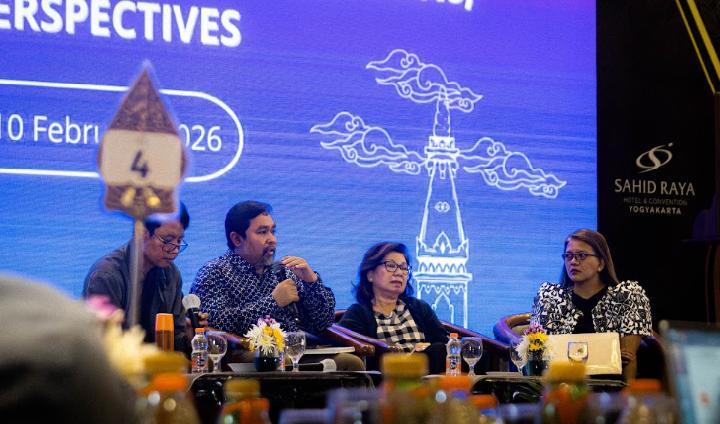
"Can Indonesia realistically persuade Trump to stop this conflict? [There is a reason] why the international public is laughing, and the domestic public is "bullying" it. That's the problem," Tia remarked during an online discussion hosted by the Institute for Strategic Transformation (Forstra) on Saturday, March 7, 2026.
CONCLUSION
Tempo's investigation concludes that the claim suggesting Ambassador Mohammad Boroujerdi told Prabowo to "manage his own people" is false.
While Iran did reject President Prabowo Subianto's mediation offer due to its reluctance to engage with the United States or Israel, the insulting narrative attached to the rejection was never uttered. In every official capacity, Boroujerdi has maintained a tone of appreciation for Jakarta’s good intentions, though he emphasized that the door to diplomacy with Washington remains bolted shut.
TEMPO FACT-CHECK TEAM
**Do you have information or claims that you want to have fact-checked? Contact our ChatBot. You can also send criticism, objections, or feedback for this Fact-Checking article via email to [email protected].