April 25, 2026 | 05:39 pm
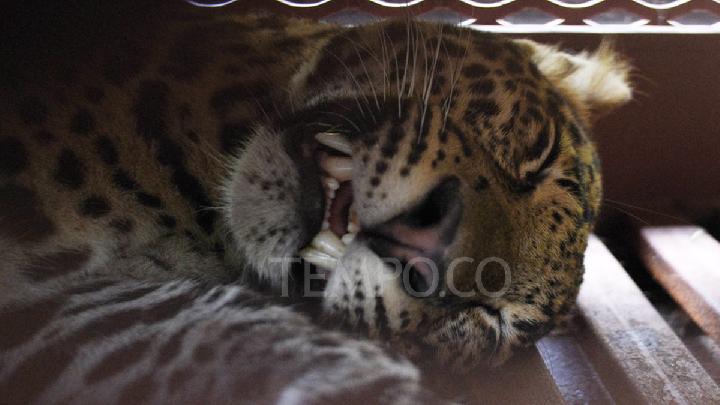
TEMPO.CO, Jakarta - In recent months, reports of endangered species appearing in various regions have drawn public attention. While many see this as a positive sign that nature is recovering, conservation experts warn that such sightings do not necessarily indicate a healthier ecosystem.
According to wildlife conservation expert Ani Mardiastuti from IPB University, there are several key factors behind the increasing visibility of rare species.
Habitat Loss Brings Wildlife Closer to Humans
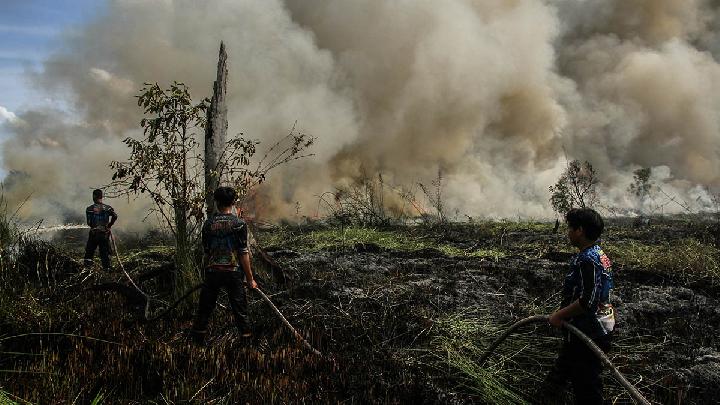
One of the main reasons is habitat fragmentation and shrinking ecosystems, which force wildlife into closer contact with humans.
“These animals have always existed, but their populations are small, so encounters were rare. As habitats shrink and become fragmented—and as humans encroach further—encounters become more frequent,” Ani said in a statement on April 24, 2026.
In other words, more sightings may reflect environmental pressure rather than population growth.
Technology Makes Wildlife Easier to Detect
Advancements in monitoring technology have also played a major role. Researchers now use tools such as camera traps equipped with infrared to capture nocturnal activity, as well as bioacoustics to identify animals like owls through sound recordings.
Artificial intelligence is increasingly being integrated into these systems, helping scientists identify individual animals—such as recognizing tigers by their stripe patterns—or match bird calls with global sound databases like Xeno-canto.
Drones are also used to monitor hard-to-reach habitats, including cliffs and mangrove forests, where species such as raptors and herons nest.
Rediscovering “Lost” Species
Some sightings are linked to targeted expeditions aimed at finding species long thought to be extinct—often referred to as “Lazarus species.”
When such species are rediscovered, researchers work with authorities to assess their conservation status using standards set by the International Union for Conservation of Nature (IUCN), as well as Indonesia’s national red list.
Conservation Challenges Go Beyond Science
Ani noted that conservation efforts are also shaped by social and economic realities. For example, parts of birds-of-paradise are sometimes used in traditional ornaments in Papua.
While local communities often have strong conservation awareness, economic pressures can drive continued use of wildlife resources, making law enforcement and sustainable solutions essential.
She added that renewed sightings of rare species could encourage further research into Indonesia’s biodiversity. However, limited funding for species discovery remains a challenge.
Ultimately, experts stress that increased sightings should be interpreted with caution—not as proof of ecosystem recovery, but as a complex signal shaped by environmental change, technology, and human activity.
Read: OpenAI Apologizes for Not Reporting Canada Mass Shooter
Click here to get the latest news updates from Tempo on Google News
Indonesia, FAO Launches $4.4mn Project to Combat Invasive Species
44 hari lalu
Invasive species that are introduced into non-native environments threaten ecosystems, wildlife, and human well-being.
What Happens to Java's Forests if the Javan Hawk-Eagle Goes Extinct?
20 Januari 2026
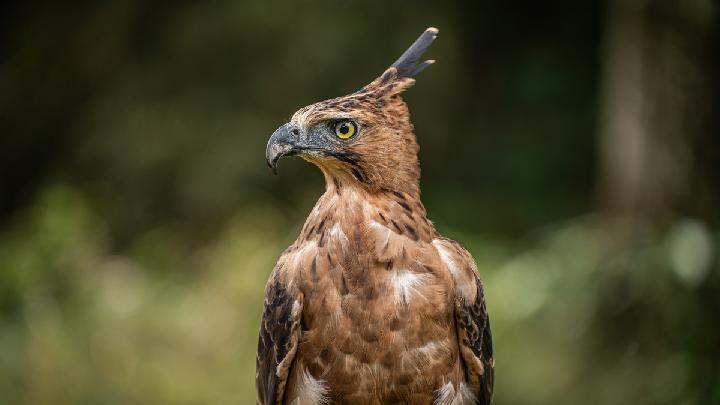
The Javan Hawk-Eagle, an endemic bird of Java, is on the verge of extinction, with an estimated remaining population of around 511 pairs or fewer than 1,000 individuals.
Top 10 Best Zoos in the US Setting New Standards for Conservation
9 November 2025
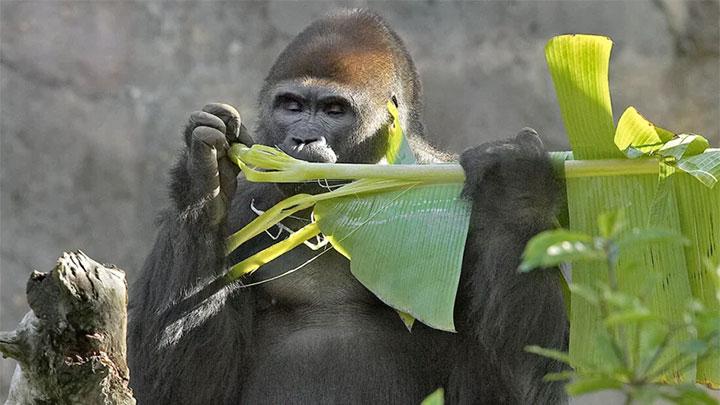
The best zoos in the U.S. go beyond exhibits, continuously striving towards cutting-edge conservation to preserve endangered species across the globe.
Half of the Most Endangered Animals Are in Indonesia, Here's What UGM Researcher Suggests
14 Oktober 2025

A report by the World Wide Fund for Nature (WWF) stated that of the 10 most endangered species in the world, five are living and breeding in Indonesia
New Plant Species Discovery Named in Honor of IPB Professor
9 Juli 2025

Professor Tatik Chikmawati of IPB University has been honored by having a new plant species from the Araceae (aroid) family named after her.
New Tree Frog Species Identified in Sulawesi by BRIN Scientists
11 Juni 2025

Rhacophorus , BRIN's latest discovery adds to Sulawesi's endemic amphibians and underscores the need to protect Wallacea's biodiversity.
New Species of Blind Lizard Discovered in Indonesia
14 Mei 2025

A new species of blind lizard has been discovered in Buton Island, Southeast Sulawesi, Indonesia