January 1, 2026 | 12:40 pm

TEMPO.CO, Jakarta - Efforts to combat climate change are often translated into everyday actions, such as reducing the use of private cars, conserving energy at home, or altering dietary habits. Many individuals have consciously and voluntarily adopted these habits as a form of their support for environmental sustainability.
However, a recent study published in the journal "Nature Sustainability" revealed an interesting paradox. When these good habits are transformed into mandatory rules by the government, public support tends to decrease.
Researchers from the Santa Fe Institute in the United States, including Katrin Schmelz, explained in their study that excessive control from external parties, such as the government, actually reduces public interest in participating in climate actions. "Policies don’t just spur a target behavior. We find that they can change people’s underlying values," she said as quoted by Earth on Wednesday, December 31, 2025.
The researchers found that mandatory climate policies can also backfire on public motivation. Instead of strengthening commitment, rules designed with a strict control approach potentially erode the environmental values already ingrained in individuals.
This psychological phenomenon is known as "crowding out", where external control from the government actually displaces an individual's internal motivation. When citizens feel that their autonomy is threatened or lost due to rigid rules, it triggers a reaction of rejection known as "control aversion". Ultimately, this leads to resistance against the policies.
This study provides an example by comparing it to the COVID-19 mandates. According to the researchers, the rejection of climate mandates appeared to be 52 percent higher than the rejection of pandemic controls. This serves as a warning for policymakers that coercive approaches are not always effective.
The study found that the key to long-term success is designing intelligent policies that respect individual freedom. Additionally, it also provides realistic alternatives, such as reliable public transportation, before restricting private vehicles, and building trust that the rules are truly effective in reducing emissions, rather than being merely symbolic.
However, it should be understood that not all policies result in the same degree of rejection. Research indicates that belief in effectiveness plays a key role. When the public believes that a policy truly reduces emissions, the opposition will decrease.
Read: A Lesson in Climate Science Behind the Devastation Across Sumatra
Click here to get the latest news updates from Tempo on Google News
UN Secretary-General Calls for Peace and Justice in New Year Message
2 jam lalu

UN Secretary-General Antonio Guterres calls on world leaders to prioritize peace and justice ahead of the new year 2026.
A Lesson in Climate Science Behind the Devastation Across Sumatra
5 hari lalu
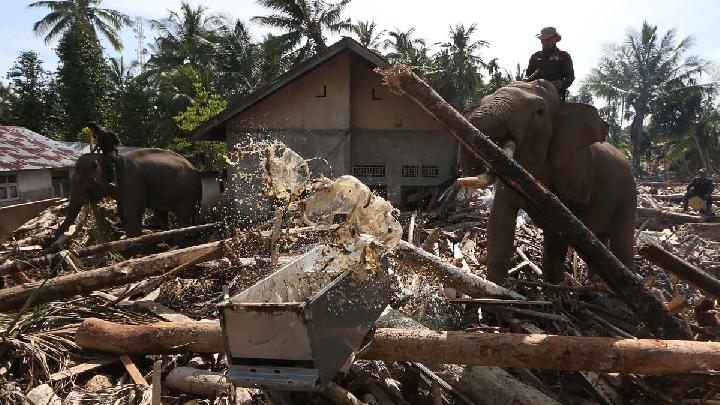
Climate science plays a crucial role in the entire cycle of reducing the risk of flood and landslide disasters.
Nasaruddin Umar Links Christmas 2025 to Care for the Earth
6 hari lalu

Minister Nasaruddin Umar's Christmas 2025 message calls for environmental care and family resilience amid recovery from recent disasters in Sumatra.
How Temperature and Rainfall Reveal Climate Change in Indonesia
6 hari lalu

The most apparent indicator of climate change in Indonesia is the rising trend of air temperature since the 1860s.
Major Tropical Cyclones Could Still Affect Indonesia in 2026, BMKG Says
7 hari lalu
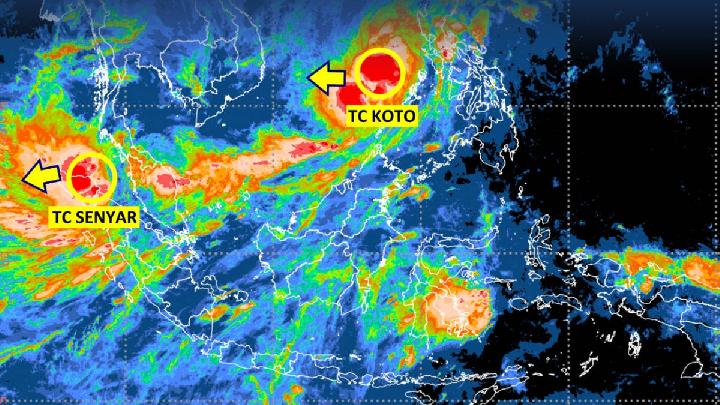
Indonesia remains at risk of significant tropical cyclones in 2026, but BMKG cannot estimate how many may occur.
BMKG Predicts Friendlier Climate for Indonesia in 2026 as Weak La Nina Ends
8 hari lalu

BMKG forecasts that the weather in 2026 will not be as hot as it was in 2024. The atmosphere of the Pacific Ocean is expected to return to a neutral phase in the second half of next year.
BMKG Outlines Causes of Indonesia's Continuous Rainfall This Year
8 hari lalu

According to BMKG, the rare combination of weak La Nina and negative IOD has intensified rainfall.
India's Climate Diplomacy Must Account for Domestic Inequalities
11 hari lalu

Economic liberalization in India has shifted the emissions burden from more equal and developed states to less equal ones. This needs to change.
Apple Partners with WWF Indonesia to Conserve Bukit Tigapuluh Landscape
16 hari lalu

The partnership between Apple and WWF is also part of Apple's commitment to mitigating climate change.
Apple Highlights Climate Commitment Through iPhone Recycling
19 hari lalu
Apple has achieved corporate carbon neutrality since 2020 by using 100 percent renewable energy for its office operations.