February 24, 2026 | 09:13 am
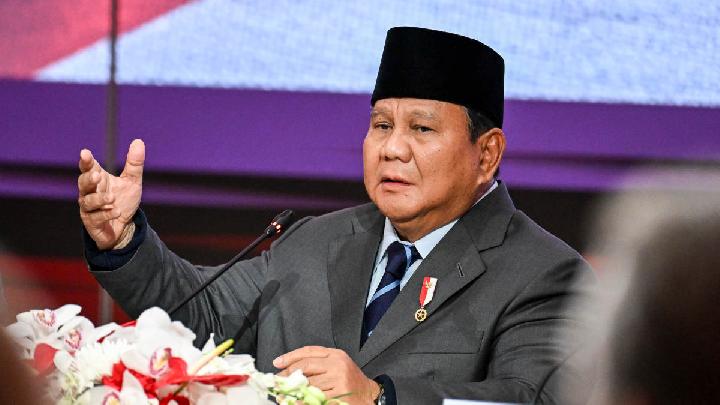
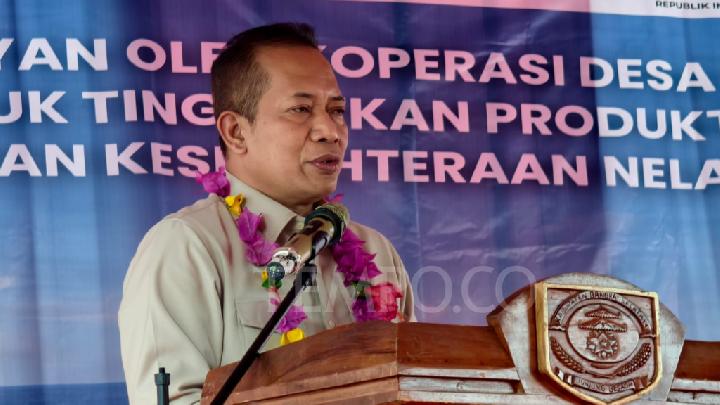
TEMPO.CO, Jakarta - Syafruddin Karimi, a professor at the Faculty of Economics and Business at Andalas University, assessed that the 10 percent tariff scheme is nominally more advantageous than the 19 percent or 32 percent tariff scenarios previously proposed in the Indonesia-United States (US) trade agreement. This tariff reduction is considered to reduce direct costs, improve export price competitiveness, and reduce pressure on business margins.
"The 10 percent tariff scheme appears more advantageous than the 19 percent or 32 percent direct cost reductions," Syafruddin said when contacted on Sunday, February 22, 2026.
However, Syafruddin cautioned that this advantage is fragile if the 10 percent tariff is only temporary. Risks also arise if the implementation includes enforcement mechanisms or agreement arrangements that maintain higher tariffs for countries that have already signed certain agreements, such as the 19 percent scenario within the framework of reciprocal trade agreements.
He also cautioned that Indonesia needs to be wary of potential clauses often referred to as "poison pills" that could trigger snapback policies, terminations, or non-tariff restrictions. Such provisions are considered to have the potential to create additional pressure as Indonesia implements its downstreaming agenda, increasing the domestic component level (TKDN), and implementing data sovereignty policies.
Therefore, he believes a truly beneficial scheme would not simply be a 10 percent tariff rate, but rather a package of certainty supported by audits of key clauses, clear consultation protocols, measurable standards of proof, a cure period, and the principles of proportionality and policy scope limitations.
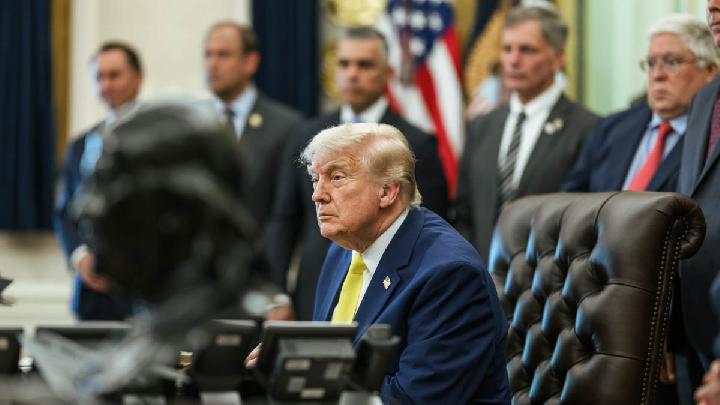
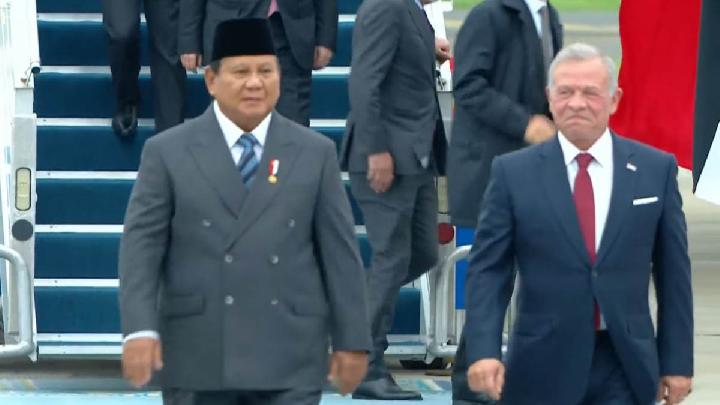
This view emerged after President Prabowo Subianto requested that his administration study all potential risks following the United States Supreme Court's ruling overturning President Donald Trump's reciprocal tariff policy.
Coordinating Minister for Economic Affairs Airlangga Hartarto conveyed this request to reporters in Washington, D.C., on Saturday. The government, Airlangga said, had reported the development to the President and asked him to prepare various scenarios. The scenario regarding the US Supreme Court's ruling was reportedly discussed with the Office of the United States Trade Representative (USTR) before Indonesia signed the trade agreement with the United States.
On Friday, February 20, 2026, local time, the US Supreme Court ruled 6-3 that President Donald Trump lacked the authority to impose global tariffs under the International Emergency Economic Powers Act (IEEPA).
The ruling also included the cancellation of several global tariff policies and the reimbursement of tariffs to certain corporations. However, shortly after the ruling, Trump announced a 10 percent global import tariff.
The government confirmed that the Indonesia-United States trade agreement would proceed according to the agreed-upon mechanism. The bilateral agreement has a 60-day entry into force period following consultations between the parties with relevant institutions, including the US Congress or Senate and the Indonesian House of Representatives.
In the agreement, Indonesia requested that the agreed-upon 0 percent tariff scheme for several commodities be maintained, particularly agricultural products such as coffee and cocoa, which are regulated by executive order. In addition to the agricultural sector, the 0 percent tariff scheme also covers several parts of the industrial supply chain, such as electronics, crude palm oil (CPO), textiles, and other related products.
The government is now awaiting developments over the next 60 days, including further decisions from the United States authorities regarding countries that have signed the agreement. The government also considers the 10 percent tariff, which will be in effect temporarily for 150 days, to be preferable to the previous position, although a thorough risk assessment, as directed by the President, still requires.
Read: Trump's 10% Tariff Creates Global Trade Risks, Says Expert
Click here to get the latest news updates from Tempo on Google News
Trump's 10% Tariff Creates Global Trade Risks, Says Expert
16 jam lalu
Professor Syafruddin Karimi warns that President Trump's 10% import tariff creates global uncertainty.
Data Transfers to the US Remain Subject to Indonesian Rules
18 jam lalu
Cross-border data transfer is a key infrastructure for e-commerce, digital financial services, cloud, and other digital services.
Indonesia's BPOM Maintains Oversight of US Goods Following Trade Deal
21 jam lalu
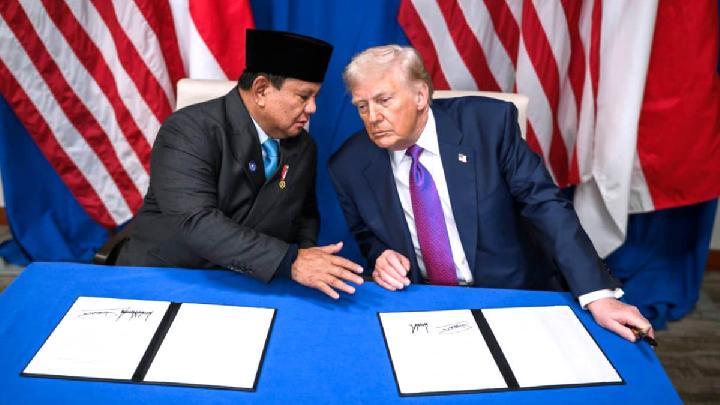
Goods originating from the US must still undergo the administrative licensing process in Indonesia and are under the supervision of BPOM.
Key Facts About Prabowo's Washington Visit
22 jam lalu
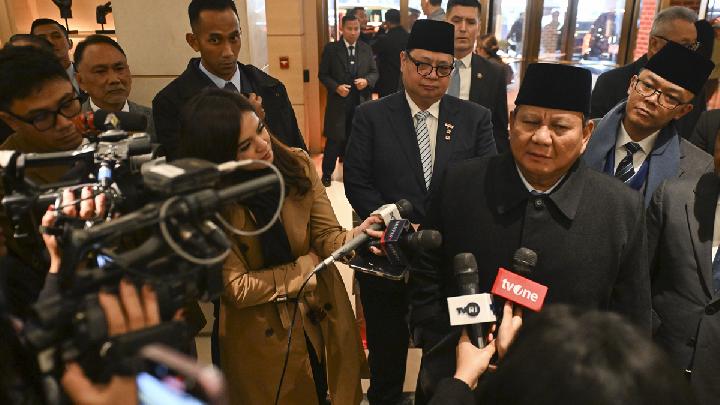
During Indonesian President Prabowo's visit to the US capital, he attended several business forums and high-level conferences.
Indonesia Will Not Export Critical Minerals to the US in Raw Form
23 jam lalu
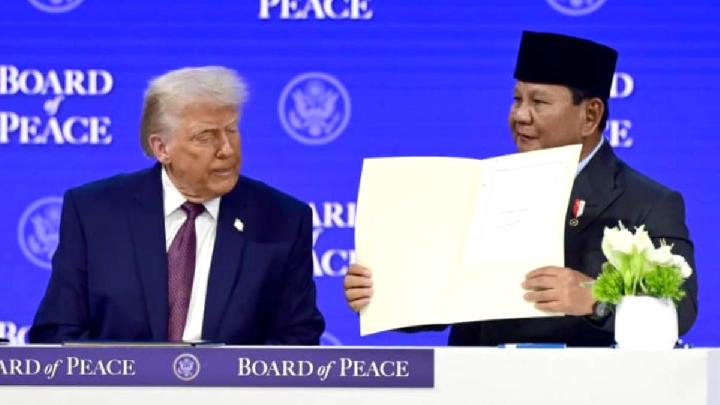
The Coordinating Ministry for the Economy promises the Indonesian government will not relax the ban on exporting raw commodities.
Indonesia Says 0% Tariffs on US Goods Are Necessary to Support MSMEs
1 hari lalu
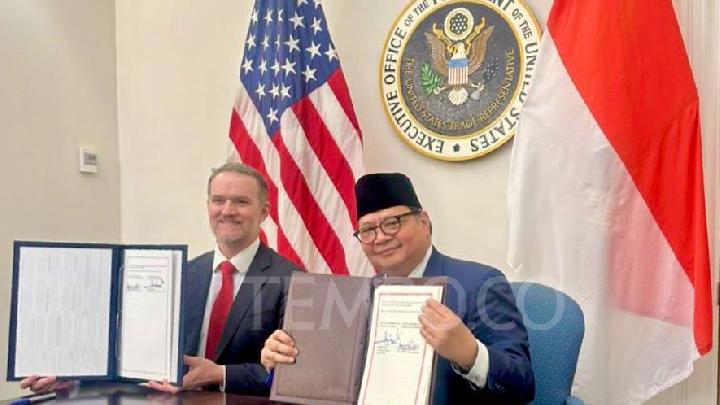
Indonesia's Coordinating Ministry for the Economy stated that most U.S. goods that receive a 0 percent tariff are industrial raw materials.
Prabowo Orders Review of US Court Ruling on Trump's Tariffs
1 hari lalu
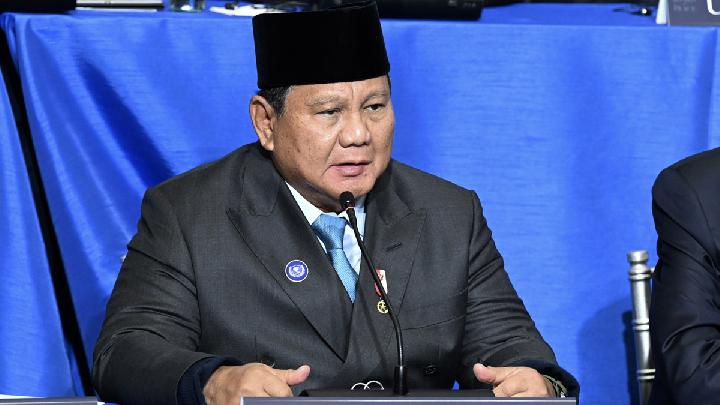
Indonesian President Prabowo Subianto instructed his staff to assess various potential impacts of US Supreme Court's ruling on global tariff policy.
Some US Goods Exempt from Indonesia's Local Content Rules
1 hari lalu

Indonesia's Coordinating Ministry for the Economy stated that the domestic component level (TKDN) policy does not bind all U.S. goods.
Airlangga: Indonesia-US Trade Deal Unaffected by US Court Ruling
1 hari lalu
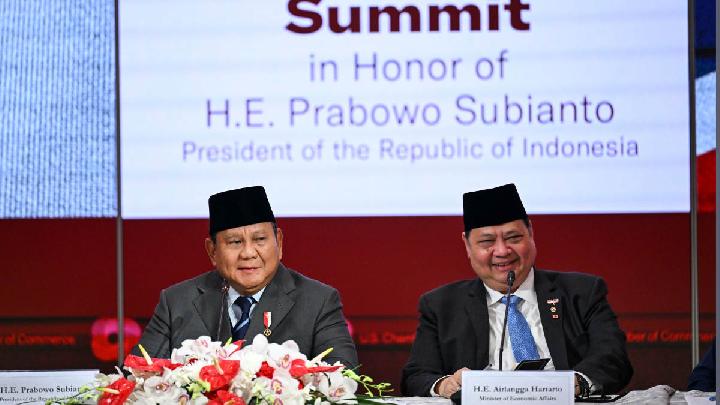
Coordinating Minister Airlangga Hartarto stated that Indonesia-US Reciprocal Trade Agreement (ART) remains in progress, despite recent US court ruling
Indonesia Clarifies Rules on Second-Hand Clothing Imports from US
1 hari lalu

The Coordinating Ministry for Economic Affairs denies that the Indonesian government has allowed the import of used clothes from the United States.