April 15, 2026 | 12:31 pm
Discussions on the revision of the Law on Financial Sector Development and Strengthening press on, threatening to undermine the independence of the OJK.
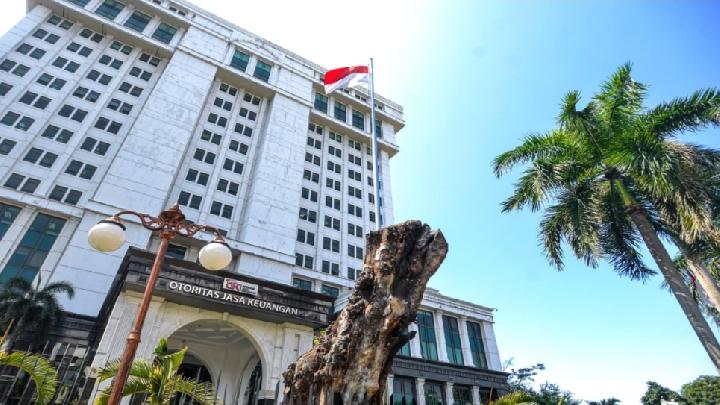
ATTEMPTS by the House of Representatives to revise the Law on Financial Sector Development and Strengthening (P2SK), claimed to be aimed at bolstering economic stability, now appear to be a Trojan horse for the independence of the Financial Services Authority (OJK). Rather than enforcing its oversight function, the move risks placing the OJK under the thumb of House of Representatives politicians.
The two main instruments being employed to rein in the OJK’s role as “arbiter” of the financial industry are related to the selection mechanism and the budget scheme. First, the proposed amendment to Article 11, paragraph 2, which makes the formation of a selection committee optional under the pretext of “emergency conditions” or “market anomalies.”
This clause presents a dangerous loophole. Without an independent and transparent selection committee, the president has discretionary authority to nominate candidates for the Board of Commissioners to be directly elected by the House. If this mechanism is approved, the OJK risks no longer being staffed by pure technocrats or independent professionals, but by handpicked individuals who have been selected to safeguard certain political interests.
Second is the proposal to eliminate industrial levies and replace them with funds from the State Budget or surpluses from Bank Indonesia and the Deposit Insurance Corporation (LPS). The argument by the Financial Commission of the House of Representatives, that industrial levies create a conflict of interest, is based on flawed logic. On the contrary, a self-financing scheme, or industrial levies, is an ideal model for ensuring that regulators remain independent from government fiscal and political interventions.
Withdrawing OJK funding from the State Budget would be tantamount to handing over the institution’s control to the House of Representatives. While the House does have budgetary functions and authority, it is well known that these roles are often used as a tool for political bargaining.
The independence of a regulatory body is indeed not determined by where its operational budget comes from, but by who selects its leaders. In state theory, institutions such as the OJK are established precisely to separate the political domain from the market domain in order to maintain credibility. Comprehensive industrial levies prevent dependence on a single entity because the cost burden is shared collectively by all market players.
What should be strengthened in the revision of the PS2K Law is how OJK commissioners—who are funded by industrial levies—can maintain a vigilant and thorough oversight, be free from intervention when making policies, and be impartial when handling disputes in the financial sector.
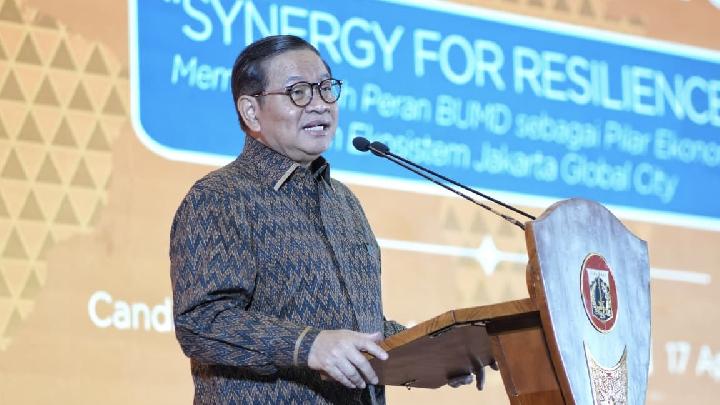
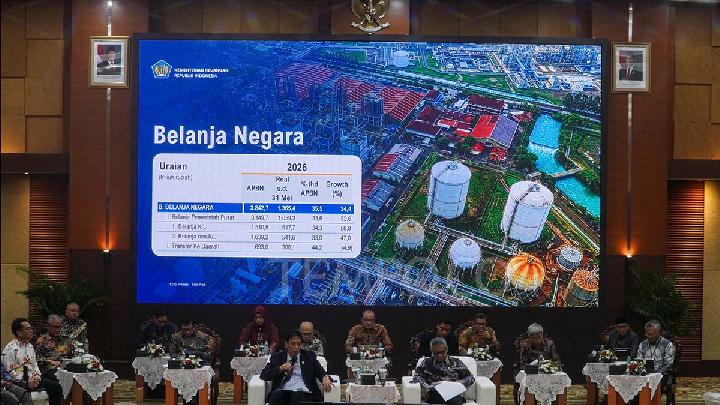
Finance Minister Purbaya Yudhi Sadewa assures that this revision will maintain the institution’s independence. However, the claim of “better coordination” in this draft may be considered as merely an illusion. What kind of coordination can emerge when one party is free to intervene in the budget and meddle with the composition of OJK commissioners?
Let us not forget that during the 1998 crisis, when the central bank was not yet independent, monetary policy was subject to political pressure, and massive injections of liquidity took place in the midst of the crisis, which ultimately ended up devastating the economy.
Allowing the OJK, along with Bank Indonesia and other institutions, to lose their independence to satisfy the politicians’ thirst for power is a very dangerous step backward. If the OJK is forced to bend and bow to political interests, we are only paving the way for a future systemic crisis.
Two Sides of Independence
5 jam lalu
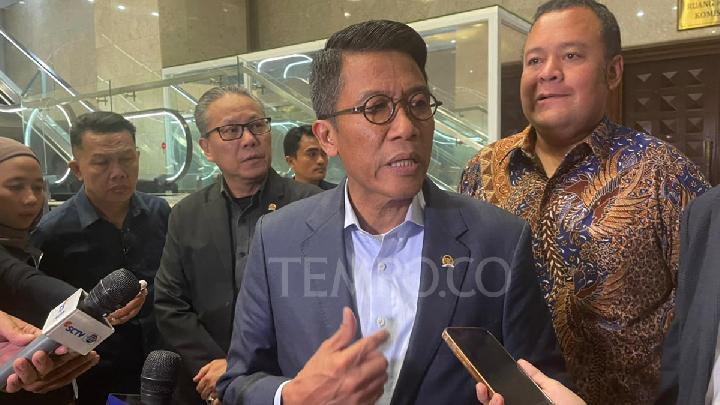
Debate over changes to Financial Services Authority's funding scheme stalls deliberation of Financial Sector Development & Strengthening Law revision.
DPR Urges UI to Sanction Sexual Harassment Perpetrators
19 jam lalu
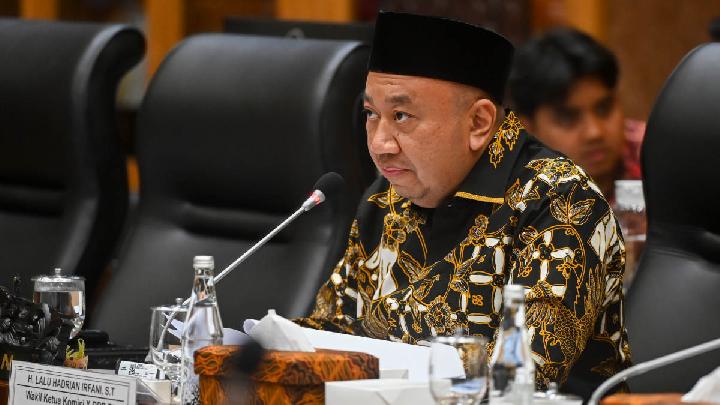
The DPR Commission X urges the University of Indonesia (UI) to impose strict sanctions on 16 law students accused of sexual harassment.
Indonesia Considers Vape Ban Over Health, Drug Risks
3 hari lalu
The proposal to ban vape or electronic cigarettes gains serious consideration due to various concerns, including its impact on the younger generation and potential health risks.
Human Rights Minister Floats Religious Freedom Law in Indonesia
7 hari lalu
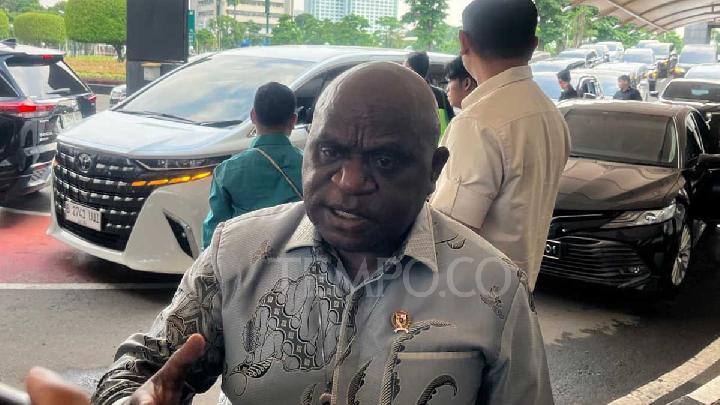
The proposal for religious freedom law comes as the country sees persistent religion-based intolerance incidents.
DPR Urges Better Public Transport over Work-From-Home Policies
9 hari lalu
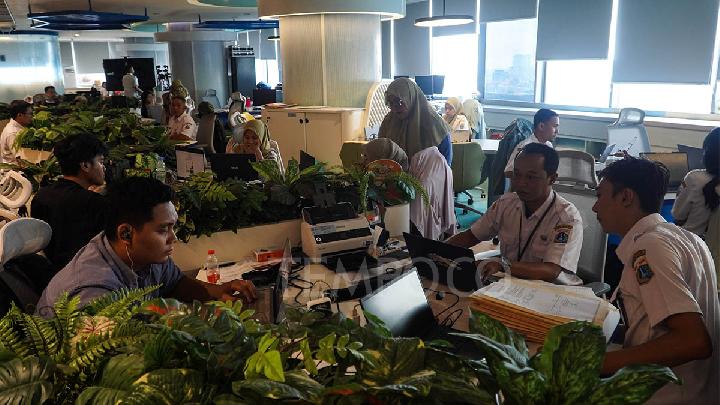
A DPR member opined that the energy crisis due to the closure of the Strait of Hormuz is an opportunity to overhaul public transportation.
DPR Urges Permanent Closure of MBG Kitchen After Food Poisoning Incident
9 hari lalu
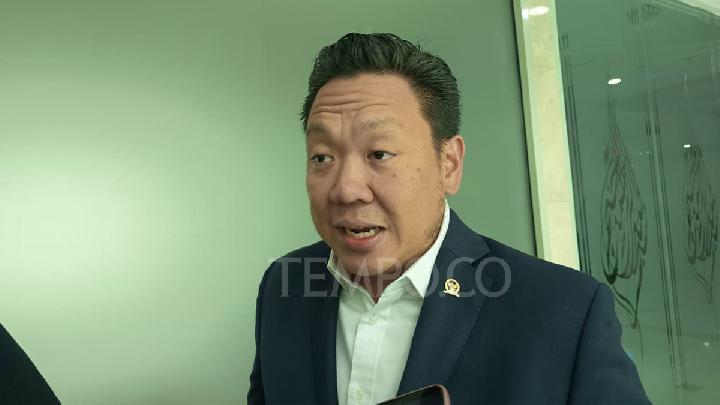
The House of Representatives (DPR) is pressing National Nutrition Agency to permanently shut down the kitchen for Free Nutritious Meal (MBG) program.
House Urges Government to Adjust Fuel Prices
10 hari lalu
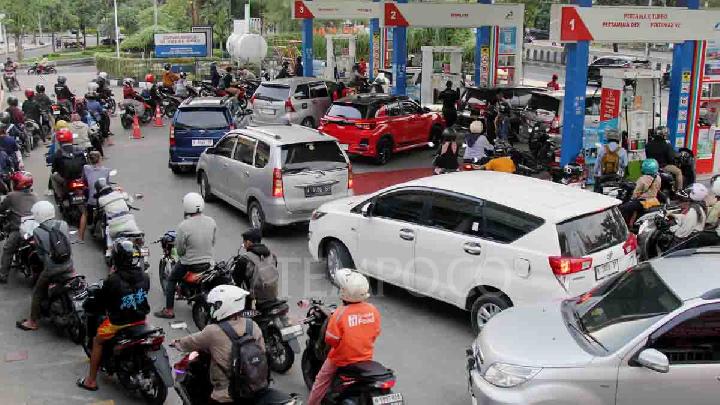
A House member argued that a fuel price adjustment should be viewed as a strategic policy rather than a simple price hike.
House Urges TNI to Shift Strategy After Deaths in Lebanon
14 hari lalu

Deputy Chair of House Commission I calls for evaluation and potential strategy shift for TNI peacekeepers following deaths in Lebanon.
Indonesian Lawmaker Opposes Nationwide Online Learning
21 hari lalu
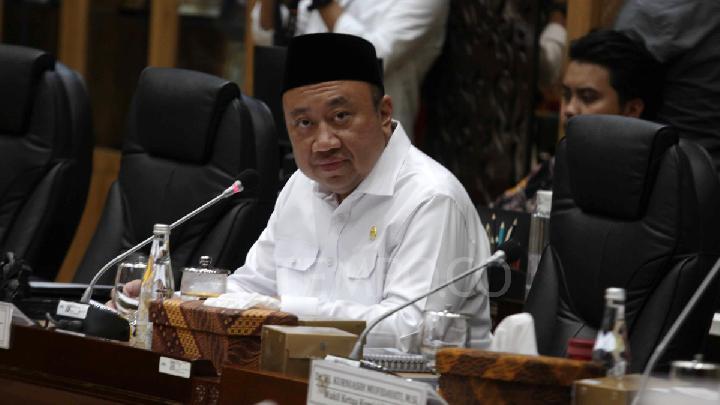
The DPR (lawmakers) mentioned that the Indonesian government still needs to comprehensively review the impact of online learning activities.
DPR Pushes Civil Court Trial in Andrie Yunus Acid Attack Case
27 hari lalu
The Indonesian House of Representatives (DPR) Commission III will supervise and monitor the legal process in the case of attack against Andrie Yunus.