August 7, 2026 | 09:55 am

TEMPO.CO, Jakarta – Indonesia’s economy expanded 5.29 percent in the second quarter of 2026, but the strong headline figure masks growing vulnerabilities in the country’s economic foundation, the Center for Strategic and International Studies (CSIS) has warned.
CSIS senior economics researcher Deni Friawan said Indonesia’s latest growth performance remains heavily dependent on government spending and investment, while key sectors such as labor-intensive manufacturing continue to lag.
“Economic growth remains positive, but its foundation is becoming increasingly concentrated in domestic demand, particularly government spending and gross fixed capital formation (GFCF),” Deni said in a statement on Thursday, August 6, 2026.
He warned that Indonesia’s economic policy space is narrowing due to limited fiscal flexibility, exchange rate pressures, and an uneven growth structure.
Growth Relies on Spending, Investment
According to Statistics Indonesia (BPS), Indonesia’s 5.29 percent GDP growth in the second quarter was mainly supported by a 15.6 percent increase in government spending and a 6.87 percent rise in GFCF.
However, Deni said the figures do not fully reflect the health of the economy.
The manufacturing sector, particularly labor-intensive industries that absorb millions of workers, expanded at a slower pace than overall economic growth. Meanwhile, the services sector continued to become a larger driver of expansion.
“This indicates that growth has yet to be fully supported by sectors capable of creating broad-based employment,” Deni said.
Rupiah Pressure Limits Policy Options
Beyond domestic factors, CSIS highlighted risks from the external sector.
After maintaining consecutive trade surpluses, Indonesia recorded trade deficits in the past two months. At the same time, efforts to stabilize the rupiah, which has traded in the Rp17,000-Rp18,000 range per US dollar, have pressured the country’s foreign exchange reserves.
Deni said Bank Indonesia’s market interventions have reduced reserves to a level equivalent to around 4.8 months of imports, limiting the government’s ability to respond to future shocks.
Fiscal constraints have also become a concern. While Indonesia’s state budget deficit remains relatively low at 0.76 percent of GDP, spending efficiency measures implemented by the central government have affected regional liquidity.
Cuts in transfers to local governments have reduced their ability to use public spending as a tool to stimulate local economies.
Middle Class Faces Growing Pressure
CSIS also questioned whether recent poverty improvements fully capture economic pressures faced by households.
Deni noted that Indonesia still has around 22 million people living in poverty, while the official poverty threshold used by BPS stands at Rp669,000 per month.
He added that the labor market is facing challenges as more workers shift into informal employment, while educated unemployment among university graduates continues to rise.
The trend has contributed to a widening gap in purchasing power, creating a K-shaped economic recovery in which higher-income groups remain resilient while lower- and middle-income households face increasing pressure.
Many households, he said, have been forced to rely on “mantab” strategies, referring to using savings (makan tabungan) and taking on debt to maintain daily consumption.
Deni warned that without stronger support from productive sectors, Indonesia’s headline growth figures may not translate into broader economic resilience.
Economist Says Indonesia Gains Little from US Reciprocal Trade Deal
27 Februari 2026
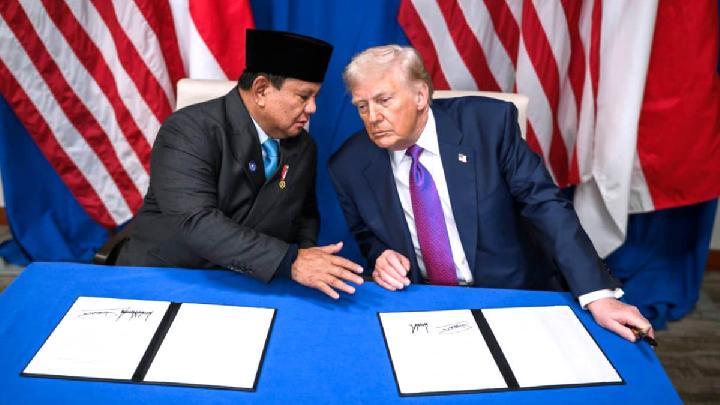
According to CSIS, the US-Indonesia trade deal is less about cutting tariffs and more about advancing US commercial and security interests.
CSIS: US Zero-Percent Textile Tariff Carries Structural Risks
27 Februari 2026
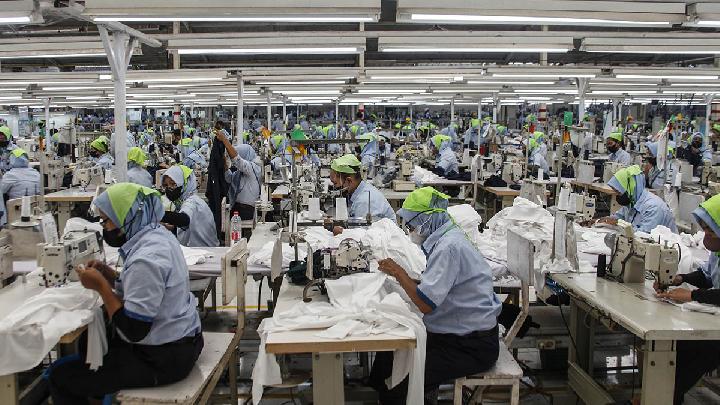
Under the agreement, textile duty-free quotas depend on US raw materials, which CSIS says could disrupt Indonesia's industry.
CSIS: Indonesia Should Prioritize ASEAN in Its Diplomacy Strategy
16 Januari 2026
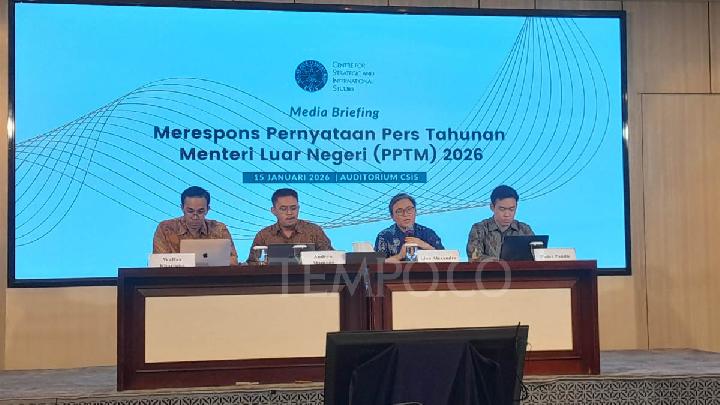
An analysis from CSIS highlights the potential for Indonesia to enhance its regional diplomacy, specifically within the ASEAN framework, following a statement from the Foreign Minister.
CSIS Warns of Bubble Risk as IHSG Approaches 10,000
8 Januari 2026
A CSIS senior researcher argued the IHSG rally resembles a bubble rather than a reflection of national economic strength.
Researcher Outlines Impacts of US-Venezuela Conflict on Indonesia's Economy
7 Januari 2026
US attacks on Venezuela currently pose limited impacts on Indonesia's financial market and commodities sector, said CSIS senior researcher.
CSIS Rejects Options for Indirect Regional Elections: "No Leadership Regeneration"
7 Januari 2026

The Center for Strategic and International Studies (CSIS) refuses the two options for holding regional elections through the Regional Representative Council (DPRD) and urges for direct mechanisms.
CSIS Criticizes Prabowo for Lack of Participation in ASEAN Summit
6 November 2025

The Center for Strategic and International Studies (CSIS) Indonesia criticizes President Prabowo Subianto's lack of participation in the ASEAN Summit.
US Government Shutdown: CSIS Reveals Potential Impact on Indonesian Economy
5 Oktober 2025
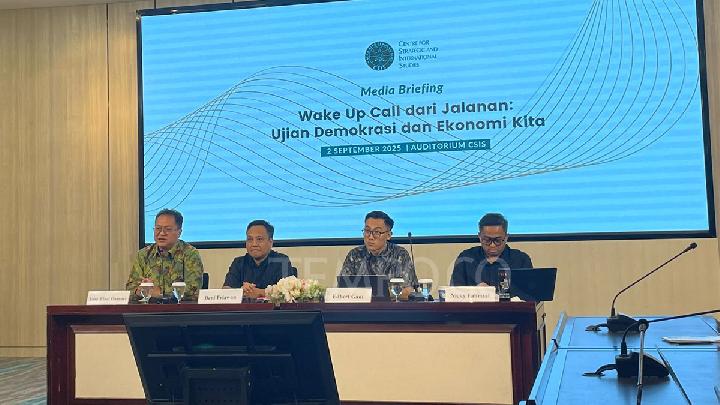
A CIS researcher assessed that the severity of the effect depends on the duration of the US government shutdown.
CSIS Says Indonesian Govt Reluctant to Admit Economy Is Weakening
2 September 2025
CSIS assesses that this series of protests was triggered by increasing economic burdens and an incomplete formal political process.
CSIS Warns of Indonesia's Economic Crisis Risk as Protests Escalate
2 September 2025
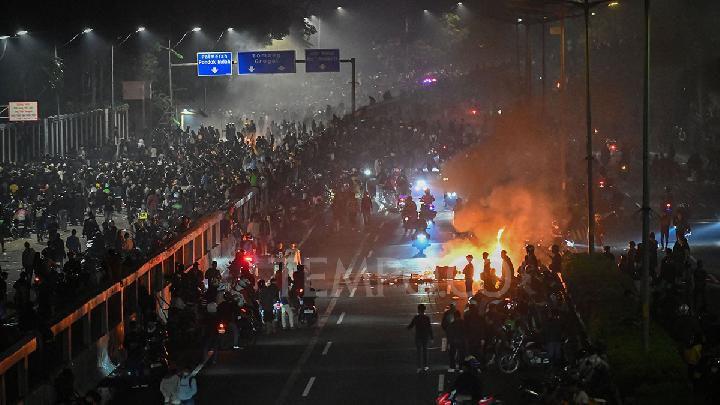
CSIS warns of the risk of an economic crisis escalating if the government does not immediately address the root cause of the ongoing demonstrations.