February 25, 2026 | 02:00 pm
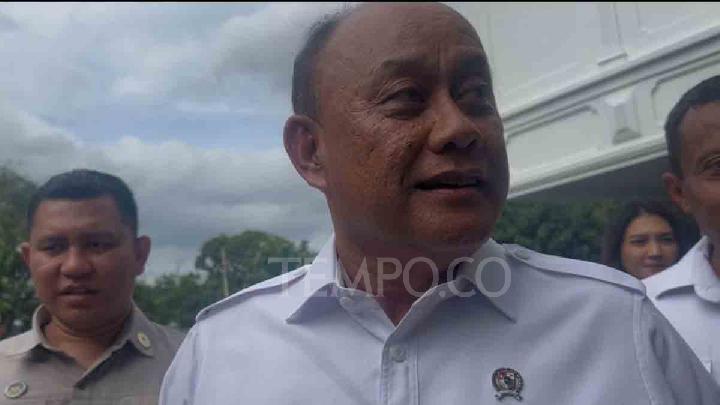
TEMPO.CO, Jakarta - The Head of the National Nutrition Agency (BGN), Dadan Hindayana, has called for all future packaging of free nutritious meals (MBG) to no longer use simple plastic. He emphasized that the packaging used in the future should be placed in representative and hygienic containers. This ensures that the food remains high-quality until it is received by the beneficiaries.
In addition, Dadan also raised concerns about the composition of Ramadan MBG food products, which have recently gone viral on social media. He mentioned that the agency has evaluated the packaging, menu composition, and transparency of nutritional adequacy levels (AKG).
"We want to ensure that the implementation of Ramadan MBG remains in accordance with nutritional standards, targets the right recipients, and is transparent in terms of budget utilization," said Dadan during a coordination meeting with all partners and heads of nutrition fulfillment service units (SPPG/kitchen) held online on Tuesday, February 24, 2026.
During the meeting, Dadan also asked kitchens to replace the nuts on the menu with eggs, stating that the price of nuts is relatively higher than eggs. However, in terms of protein content, eggs are a better choice than nuts and are more widely accepted by the community.
Dadan ensured that each kitchen provided detailed explanations of the AKG for each MBG menu given to the beneficiaries, and that the price of each food item on the MBG menu was transparent.
He mentioned that the cost of raw materials for toddlers and 3rd-grade primary school children is Rp8,000, while for other groups it is Rp10,000. He added that these benchmarks may vary according to the area's cost of living index and that they are priced at cost.
Dadan requested that each kitchen start procuring vacuum sealing equipment to ensure the food remains durable and hygienic during distribution and is suitable for consumption. This is part of strengthening food safety standards during the implementation of MBG during Ramadan.
The agency also reminded kitchens to avoid using raw materials that are in poor condition. If unsuitable materials are found, distribution can be postponed and replaced the next day. This policy is adopted to ensure that the safety and health of the beneficiaries remain the top priority.
"We do not want to compromise on quality. The principle is simple: food must be safe, nutritious, and within budget. If there are unsuitable materials, it is better to replace them than to insist on using them. This is our responsibility to the community," said Dadan.
Read: BGN: Free Nutritious Meal Program Budget Set at Rp8,000-10,000
Click here to get the latest news updates from Tempo on Google News
World Waste Awareness Day: How Microplastics Enter the Human Body
2 hari lalu
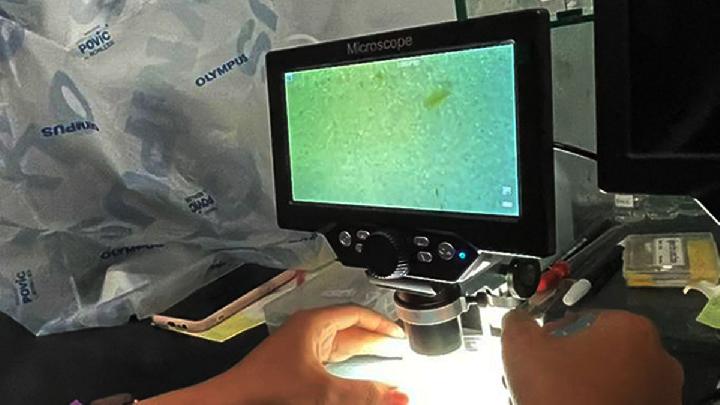
The Indonesian people consume the most microplastics, about 15 grams per month.
Plastic Emissions Could Double Health Damage by 2040
27 hari lalu

Plastic pollution could double its harm to human health in the coming decades if current production trends continue, according to a new study.
Plant-Based Plastic Innovation: Leaves No Microplastics
23 Desember 2025
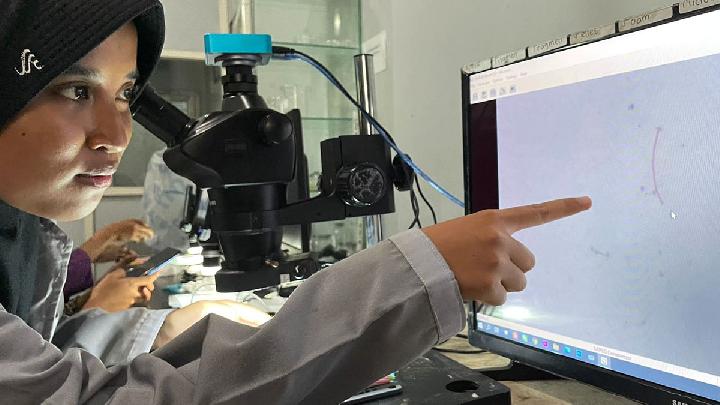
Japanese researchers have developed a plant-based plastic packaging material that easily decomposes in water without leaving microplastics.
From Tea Bags to Table Lamps: Surabaya Student Innovates Eco-Friendly Home Dcor
10 Desember 2025
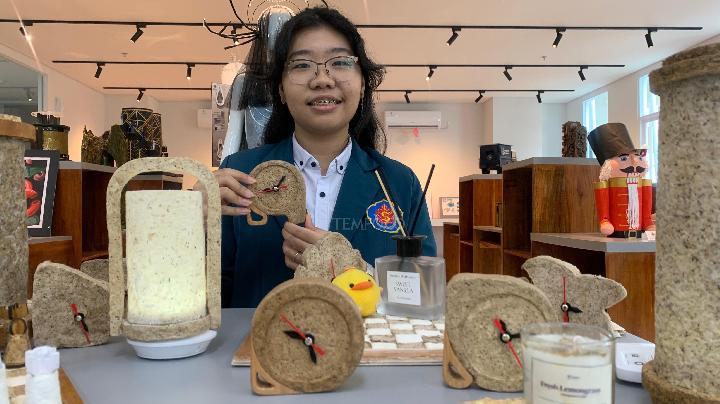
Jeanne Theresia Mintarja, a student at the University of Surabaya, creates home decorations from used tea bags in response to the concerns about microplastic content in tea bags.
Why Does Ocean Plastic Take Decades to Break Down? Scientists Explain
29 Oktober 2025

Contrary to common belief, most large ocean plastics degrade very slowly at the surface, with about 10 percent still afloat even after a century.
Australia Invests Rp13 Billion to Help Reduce Indonesia's Plastic Waste
29 Oktober 2025
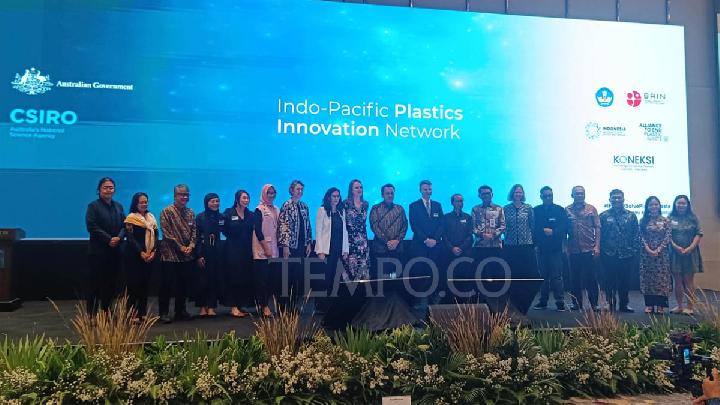
Australia, through the IPPIN program, has allocated approximately Rp13 billion for innovative plastic waste reduction in Indonesia.
GGGI, ADUPI Ink Partnership on Sustainable Plastic Management in Jakarta Summit
15 Agustus 2025

Plastic waste made up 19.75 percent of Indonesia's total waste in 2024, amounting to 6.76 million tons.
UN Talks on Plastic Pollution Fail to Reach Deal
15 Agustus 2025

Negotiations aimed at tackling plastic pollution have concluded without an agreement. Countries differed on how ambitious the treaty should be.
Indonesia's Microplastic Consumption is the Highest in the World, Here's Why
30 Juli 2025
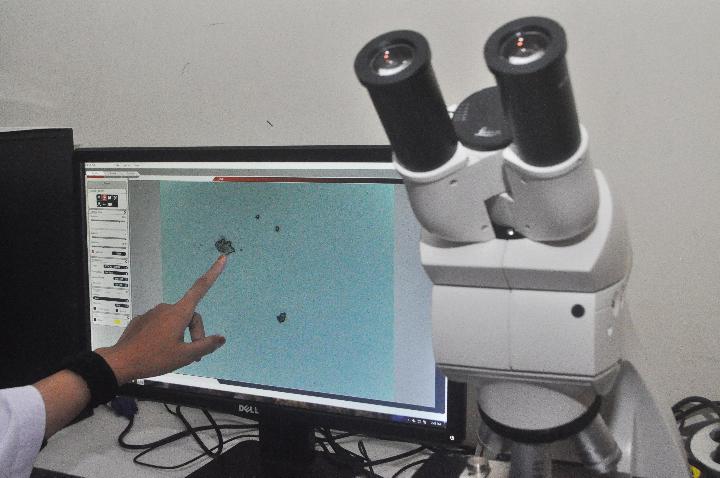
The Nexus 3 Foundation says that Indonesia is the country with the highest microplastic waste production from food waste.
Ecoton Research Finds Microplastics in Drinking Water and River Fish in East Java
2 Juli 2025

Ecoton's findings in various regions of East Java revealed that microplastics are now found in drinking water, river fish, and sediment deposits.