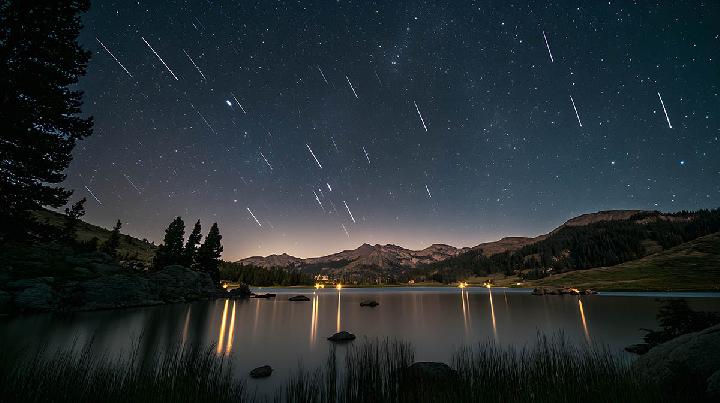
TEMPO.CO, Jakarta - Skywatchers around the world may be waiting for this year's celestial highlights, the Perseid meteor shower, but opportunity to witness night skies lighting up comes even before that.
Two annual meteor showers, the the Southern Delta Aquariids and Alpha Capricornid, will both peak overnight on Thursday, July 30, 2026, according to Forbes, citing American Meteor Society (AMS).
What counts as meteor showers?
AMS describes a meteor shower as a celestial event where "a number of meteors are observed to radiate, or originate, from one point in the night sky called Radiant."
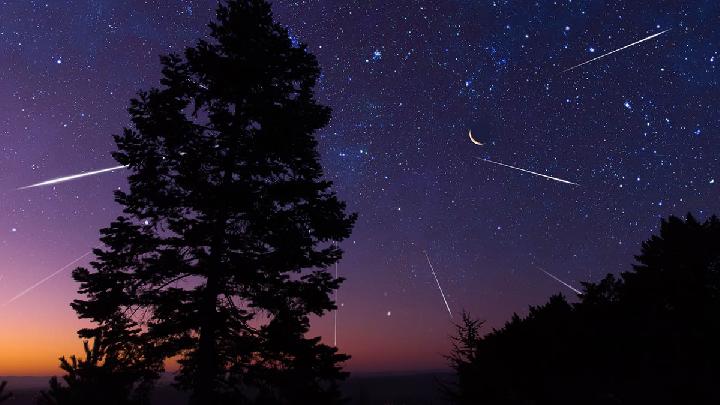
The meteors, meanwhile, are caused by meteoroids, or "streams of cosmic debris," that enters Earth's atmosphere at extreme speeds on parallel trajectories. These debris, which can be as small as a grain of sand, leaves a glowing stream of light as the atmosphere burns them.
When a meteor shower enters its peak, it arrives at the point where Earth passes through the densest part of the shower, according to CNN.
Distinct experiences from two meteor showers
The Alpha Capricornids are active from July 3 to August 15, and the Southern Delta Aquariids are active from July 12 to August 23. While they both peak on Thursday night into Friday, the two phenomenon offer differing displays.
The Southern Delta Aquariids produces up to 25 meteors per hours, particularly under the dark skies from southern latitudes. The meteor shower radiates from the Aquarius constellation, which grants observers from Southern Hemisphere and tropical latitudes with better views since the radiant climbs much higher into the sky. In Northern Hemisphere, the radiant remains low which reduces the number of visible meteors.
In contrast, the Alpha Capricornids, tends to feature brighter, more visible meteors. Radiating from the Capricornus constellation, this shower rarely produce many meteors, around three per hour in both hemispheres.
How to observe the double meteor showers on July 30
According to Michelle Nichols from the Adler Planetarium in Chicago, meteor shower is best seen with naked eyes during a dark sky. Nichols, as quoted from The New York Times, advises against telescopes or binoculars as meteor showers can shoot across large swaths of the sky. Observing equipment, therefore, will only obsruct the view.
The best chance to catch a meteor shower is a clear sky with no moon or cloud cover, between midnight and sunrise. Moonlight will wash out fainter sources of light in the sky, just like light pollution.
Nichols advises to give the eyes at least 30 minutes to adjust to seeing in the dark.
In the case of the Alpha Capricornids and the Southern Delta Aquariids showers, moonlight may not be stargazers' best of friends. As Buck Moon reached full phase just two days earlier, the moon will be 98% full and the natural light will flood the sky.
The brighter meteors from Alpha Capricornids may fare better during this condition.
To minimize the glare, Bob Lunsford, the report coordinator at AMS, urges skywatchers to try observing the meteor showers from high elevation while "facing northward with the moon at your back, so that the direct moonlight doesn’t affect your night vision."
More meteor showers to come in 2026
According to AMS, here are other meteor shower peaks for the rest of the year, including the highly-anticipated Perseid showers.
- Perseids: August 12-13
- Orionids: October 21-22
- Southern Taurids: November 4-5
- Northern Taurids: November 11-12
-Leonids: November 16-17
-Geminids: December 13-14
-Ursids: December 21-22
Read: Delta Aquariids to Create Shooting Stars Over Singapore This Week
Click here to get the latest news updates from Tempo on Google News
Delta Aquariids to Create Shooting Stars Over Singapore This Week
2 hari lalu
Singapore stargazers can watch shooting stars as the Delta Aquariid meteor shower peaks on July 29-30, offering a celestial display.
Three Meteor Showers to Light Up the Night Sky This July
24 hari lalu
On July 28-29, it will be the peak time for the Piscis Austrinid meteor shower, with a maximum of five meteors per hour.
Night Sky in July: See the Buck Moon, Planets, and Meteor Showers
34 hari lalu

The night sky in July features bright planets, the Buck Moon, and the Alpha Capricornids meteor shower.
Night Sky in June: Your Complete Stargazing Guide
29 Mei 2026
The night sky in June brings the Strawberry Moon, a Venus-Jupiter conjunction, and more unmissable events. Here's what to watch and when.
Look Up! Eta Aquariid Meteor Shower to Dazzle UK Skies Tonight
6 Mei 2026
Tonight's Eta Aquariid meteor shower peak in the UK is expected to offer the most rewarding viewing opportunity.
Australia Sky Alert: Eta Aquarid Meteor Shower Peaks Tonight
6 Mei 2026

The Eta Aquarid meteor shower is coming to Australian skies tonight, reaching its peak at the early hours of Thursday. Here is your viewing guide.
Watch Venus and Eta Aquariid Meteor Shower This Week
5 Mei 2026

The Eta Aquariid meteor shower peaks May 5-6 as Venus shines as a morning star, rising higher in a bright pre-dawn sky throughout the week.
Stargazers' Guide to Dazzling Night Sky Events in May
5 Mei 2026
The night sky events in May are splendid as they are rare. For skywatchers, each night offers a fresh reason to linger longer under the open sky.
Eta Aquarid Meteor Shower Set to Light Up Sydney Skies This May
28 April 2026
Sydney stargazers are set for a front-row view of the dazzling Eta Aquarid meteor shower next month. Discover the full viewing guide here.
Moon and Jupiter Align as Lyrids Meteor Shower Peaks
22 April 2026
With the promise of the Lyrids, the night sky shines even brighter as the Moon and Jupiter align on Wednesday evening.