TEMPO.CO, Jakarta - A rare weather event of El Nino is forecasted to develop in the Pacific Ocean later this year, scientists warned. Unlike the usual occurrence that happens every few years, this event is expected to emerge with “very strong” intensity, which many forecasters refer to as a super El Nino.
What is Super El Nino?
El Nino is a natural climate cycle caused by warmer-than-normal ocean temperatures in the eastern Pacific, usually lasting between nine and 12 months. The phenomenon can weaken trade winds and disrupt weather patterns across the globe.
A “Super” El Nino is a far stronger version of the climate event, forming when Pacific Ocean temperatures rise at least two degrees above average. Though rare and typically appearing once every decade, it can trigger extreme weather shifts across multiple continents.
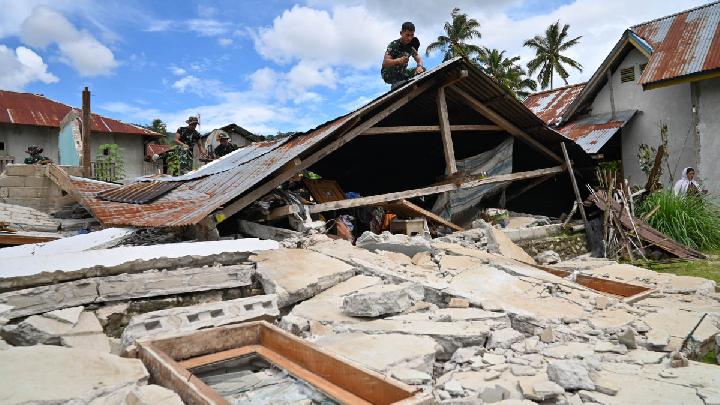
Historically, climate events of this strength have been linked to severe droughts, floods, and record-breaking temperatures.
How likely is Super El Nino to happen in the U.S.?
According to the latest forecasts from the National Oceanic and Atmospheric Administration, there is now a 61 percent chance that El Nino could develop by July, with experts warning the climate event may become exceptionally strong.
Speaking to BBC Science Focus, atmospheric scientist Paul Roundy estimated there is currently around a 50 percent chance of it becoming the strongest El Nino on record, a sharp increase from the 20 percent likelihood he suggested only weeks earlier.
On the other hand, the latest long-range forecast from the European Centre for Medium-Range Weather Forecasts suggests a 100 percent chance of a Super El Nino developing by November.
Experts say an event of this scale could suppress hurricane activity in the Atlantic while increasing storm activity across the eastern Pacific, alongside bringing wetter conditions to parts of the southern United States during fall and winter.
The FOX Forecast Center noted that such a strong El Nino prediction this early is highly unusual, although current hurricane projections suggest its most powerful effects may emerge later in the season.
What are the impacts of Super El Nino?
A super El Nino occurs when sea-surface temperatures across the central Pacific rise more than 2°C above normal, a rare event recorded only three times in modern history: in 1982/83, 1997/98, and 2015/16.
These powerful climate shifts can dramatically reshape global weather patterns, often turning wet regions dry and fire-prone while bringing intense rainfall to typically arid areas. One potential upside, however, is a quieter Atlantic hurricane season, as stronger wind shear can make storm formation more difficult.
In the United States, the effects of the developing El Nino could begin emerging this summer, with wetter conditions typically expected across the Midwest and western regions, while drier weather may stretch from the Gulf Coast to the East Coast.
Citing Boston.com, Christopher Skinner of UMass Lowell also warned that Americans should closely monitor climate impacts overseas, as severe droughts, floods, wildfires, and disruptions to agriculture in vulnerable regions could eventually affect global trade and economies worldwide.
Read: El Nino Could Trigger Extreme Fires Worldwide in 2026
Click here to get the latest news updates from Tempo on Google News