
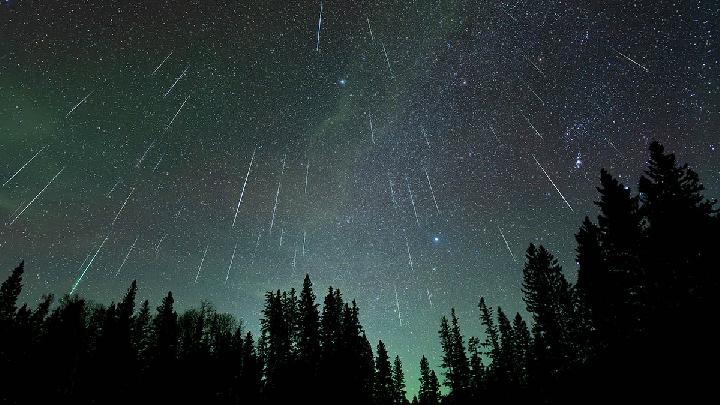
TEMPO.CO, Jakarta – Skywatchers around the world will have plenty to look forward to this July as several celestial events light up the night sky, including three meteor showers, close planetary conjunctions, and the year's second full moon, commonly known as the Blue Moon.
According to Southern Sky Community astronomer and astronomy enthusiast Avivah Yamani, one of the month's earliest highlights will occur shortly after sunset, when the planet Venus appears very close to the bright star Regulus.
Yamani said three meteor showers are also expected to peak toward the end of the month.
Meteor Showers to Peak in Late July
The first major event is the Piscis Austrinid meteor shower, which is expected to peak on July 28-29.
The shower is active from July 15 to August 10 and is forecast to produce up to five meteors per hour at its peak. The meteors will appear to radiate from the constellation Piscis Austrinus and travel at approximately 35 kilometers per second.
Skywatchers can begin observing the shower from 7:51 p.m. local time until dawn, with the best viewing conditions expected around 2:13 a.m., when the radiant reaches its highest point in the sky.
Two more meteor showers will reach their peak on July 30-31.
According to the Southern Sky Community, the Southern Delta Aquariids is expected to produce around 25 meteors per hour, traveling at speeds of about 41 kilometers per second from 7:48 p.m. until dawn.
Meanwhile, the Alpha Capricornids will generate around five meteors per hour. Although less active, the shower is well known for producing bright fireballs, making it a favorite among skywatchers.
Planetary Highlights
Several planets will also be visible throughout the month.
Mercury can be observed low in the western sky after sunset during the first week of July, while Venus will continue to shine brightly as the evening star.
In mid-July, Venus and Jupiter will appear close to the Moon in the evening sky.
Meanwhile, Mars and Saturn will be visible in the eastern sky from the early hours before sunrise. The more distant planets Uranus and Neptune will require binoculars or a telescope because they are too faint to be seen with the naked eye.
Blue Moon and Earth's Aphelion
The lunar cycle will also bring several notable events this month.
The Moon reached perigee, its closest point to Earth, during the new moon on July 14 at a distance of about 359,112 kilometers. It will reach apogee, its farthest point from Earth, on July 25, when it will be approximately 406,265 kilometers away.
Meanwhile, the month's second full moon, known as the Blue Moon, will occur on July 29.
Another key astronomical event takes place on July 7, when Earth reaches aphelion—its farthest point from the Sun in its annual orbit—at a distance of about 152.5 million kilometers (1.016644 astronomical units).
Read: Indonesia Debunks Hoax Video of Mount Anak Krakatau Eruption
Click here to get the latest news updates from Tempo on Google News
Meteor Explodes Over United States, Triggering Sonic Boom
35 hari lalu
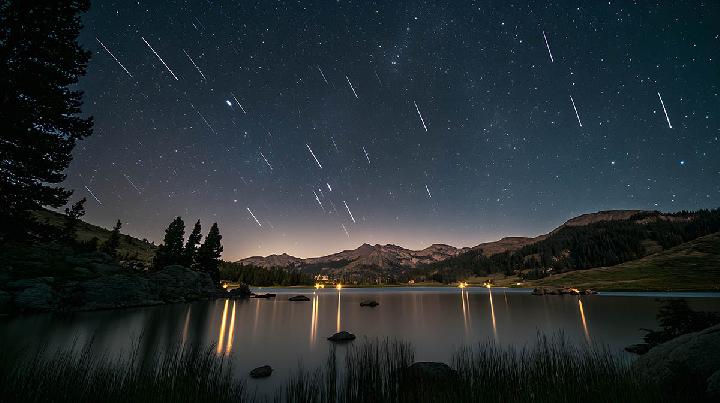
A meteor broke apart over Massachusetts, with several residents reporting building tremors during the event.
Eta Aquarid Meteor Shower Set to Light Up Sydney Skies This May
28 April 2026

Sydney stargazers are set for a front-row view of the dazzling Eta Aquarid meteor shower next month. Discover the full viewing guide here.
Fact Check: The Truth Behind Meteor in East Lampung
10 April 2026
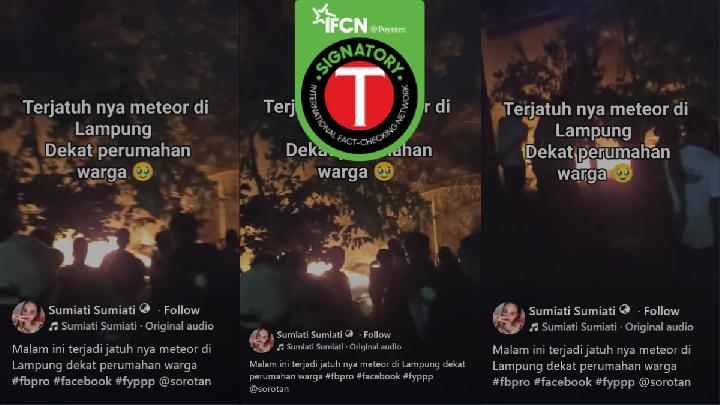
Videos of a supposed meteor over East Lampung went viral. A Tempo fact check confirms the object was actually debris from a Chinese CZ-3B rocket.
Germany: Meteorite Punches Through a House in Koblenz
9 Maret 2026
A meteorite crashed into a home in the western city of Koblenz after streaking across the sky.
Ursid Meteor Shower to Peak on December 21-22
21 Desember 2025

The Ursid meteor shower is set to peak on the night of December 21-22, lighting up Northern Hemisphere skies during the longest night of the year.
Geminids 2025: A Quick Guide to December's Most Colorful Shower
5 Desember 2025

Skywatchers are gearing up for the return of the Geminid meteor shower this December. Here's a quick guide to catching it at its brightest.
Don't Miss the Last Meteor Showers of 2025: When and Where to See Them
2 Desember 2025
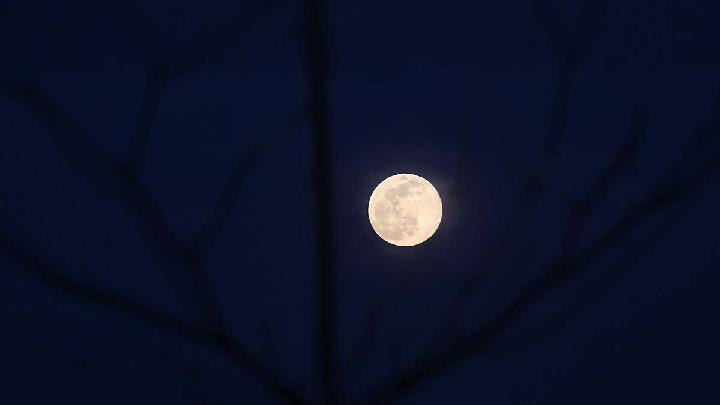
As the end of 2025 approaches, there are still several Supermoon and meteor shower phenomena that can be observed at night. Here are the dates.
7 Facts About the Viral Meteor Phenomenon Over Indonesia's Cirebon
6 Oktober 2025
A BRIN researcher concluded that the celestial object was a fairly large meteor that crossed the Kuningan-Cirebon Regency
BRIN Astronomer Confirms Meteor Fall Following Booming Sound in Cirebon
6 Oktober 2025
A viral video on social media shows the alleged meteor falling in Cirebon, West Java on Sunday night, October 5, 2025.
Meteor Rains to Appear on Indonesian Sky Mid-April
7 April 2021

The meteor showers can be witnessed from within the Indonesian territory.