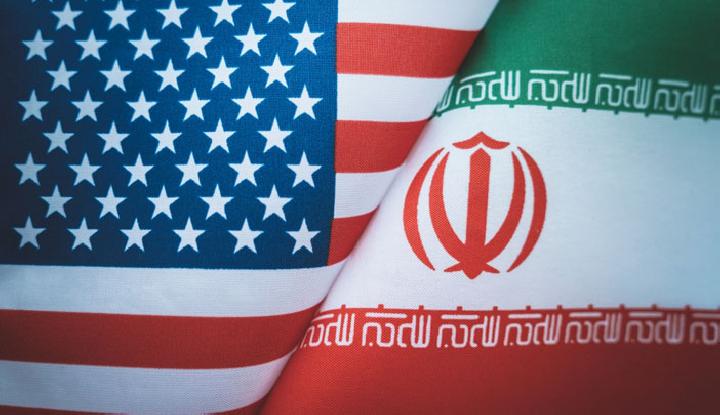
TEMPO.CO, Jakarta - Riandy Laksono, an economist at the Centre for Strategic and International Studies (CSIS), has argued that Indonesia stands to gain minimal economic benefit from its new trade agreement with the United States.
According to Riandy, the Agreement on Reciprocal Trade (ART) is not primarily about tariff reductions, but about safeguarding US commercial and security interests.
He noted that the 1,819 Indonesian products granted a zero-percent tariff account for only around 2 percent of Indonesia’s total exports.
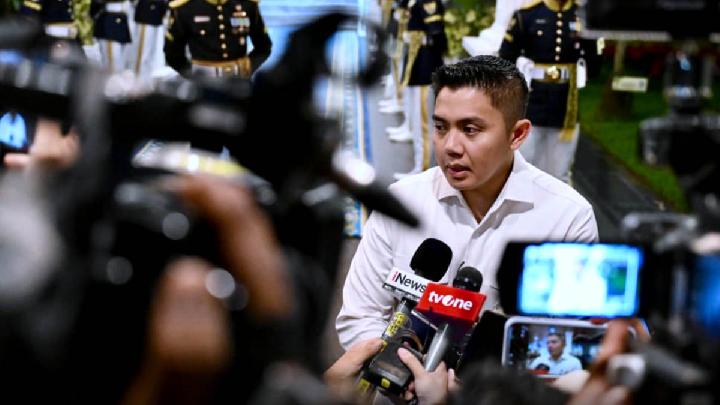
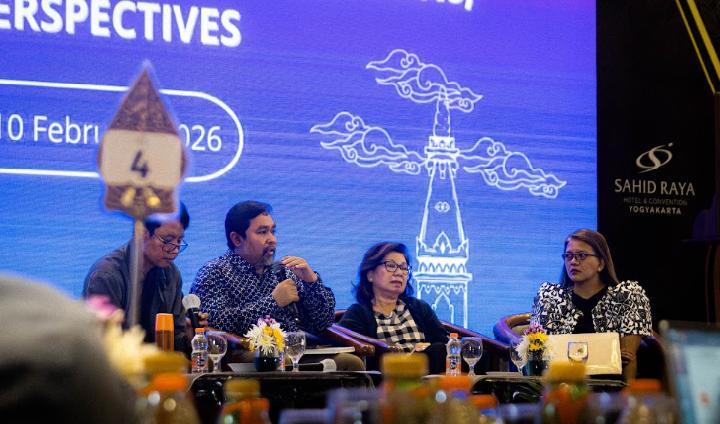
“So, of all our exports to America, only 24 percent receive the additional zero-percent facility. It should also be noted that exports to the US make up only about 10 percent of our total exports. That means the overall market access we secure from our total trade is only around 2 percent,” Riandy said during a media briefing at the CSIS office in Jakarta on Friday, February 27, 2026.
Riandy also highlighted textile products included in the zero-percent tariff scheme under a tariff-rate quota mechanism. Under this arrangement, the volume eligible for duty-free treatment is determined by how much of the exported product uses raw materials sourced from the US.
He pointed out that most of Indonesia’s textile raw materials, including cotton and man-made fibers, are imported from China. Cotton imports from the US account for only about 8.6 percent, compared to 29.4 percent from China.
Meanwhile, US-sourced man-made fibers represent just 0.3 percent of imports, while China supplies 65.1 percent.
In addition to supply dependence, Riandy stressed the price gap. Raw materials from the US are significantly more expensive.
“Using raw materials from America would cause significant disruption in the supply chain,” he said.
Despite his criticism, Riandy acknowledged that the agreement may help Indonesia navigate what he described as the assertive and unpredictable trade policies of Donald Trump. He argued that no country is fully insulated from shifts in US policy.
The government’s decision to sign the ART, he suggested, was a pragmatic move to secure Indonesia’s position. “If we cannot fight bullying, at least we can join the gang. I think that is the answer,” Riandy said.
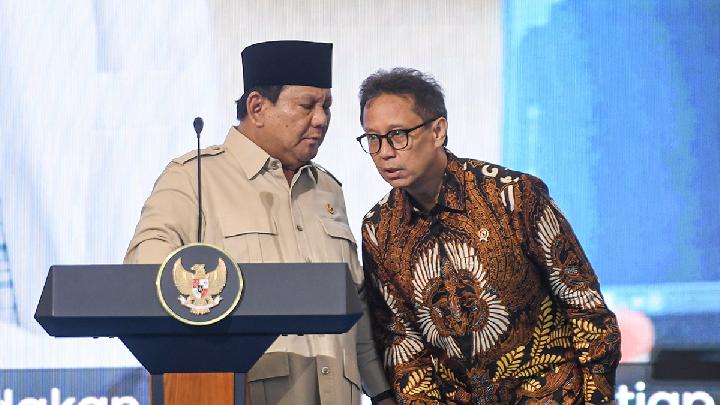
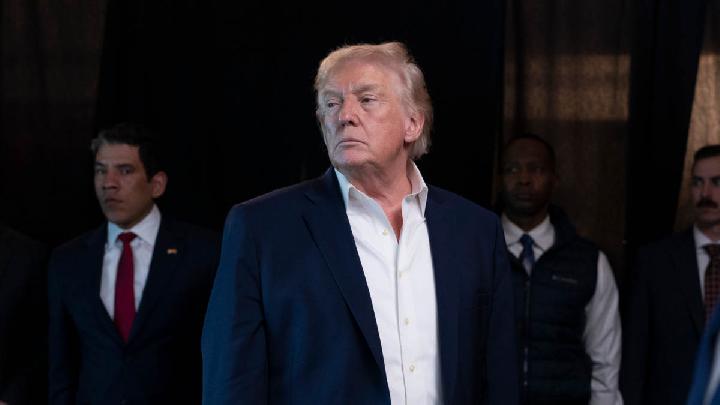
The reciprocal trade agreement was signed by Prabowo Subianto and Trump in Washington, DC, on Friday morning, February 20, 2026, Jakarta time. The agreement formalizes a 19 percent tariff on Indonesian exports to the US, alongside specific exemptions.
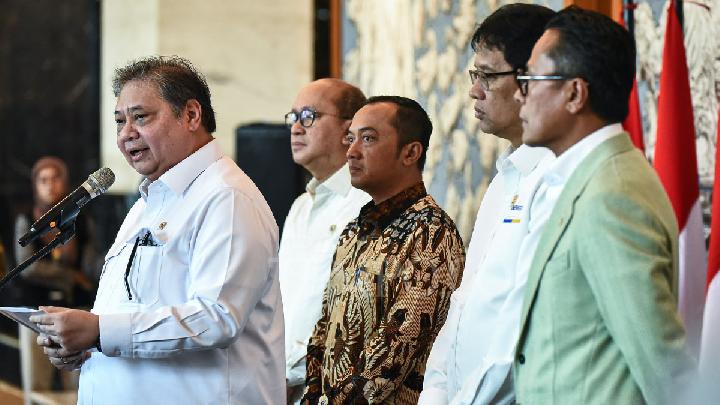
Coordinating Minister for Economic Affairs Airlangga Hartarto said the ART aims to promote prosperity, strengthen supply chains, and respect the sovereignty of both countries.
“So I emphasize, respecting the sovereignty of each country is part of the agreement that was signed,” Airlangga said at a press conference on February 20, 2026.