March 31, 2026 | 06:57 pm
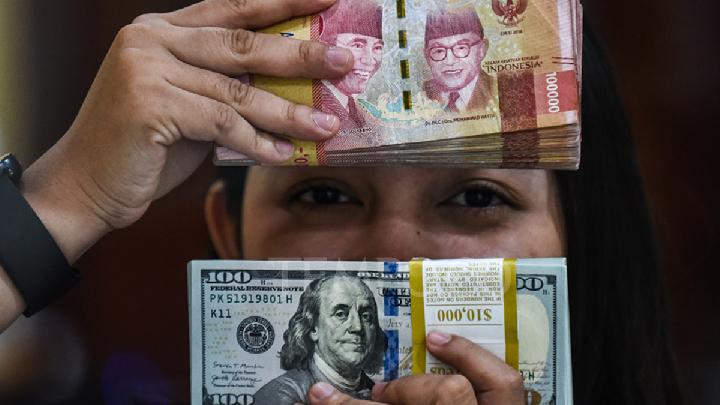
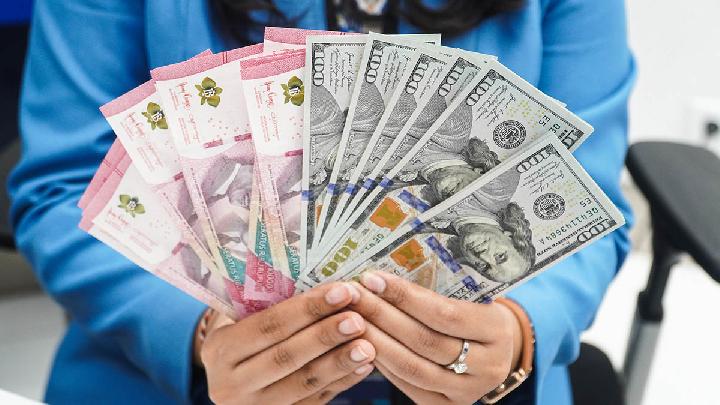
TEMPO.CO, Jakarta - The rupiah weakened at Tuesday’s close, falling 39 points, or 0.23 percent, to Rp17,041 per U.S. dollar, compared with the previous close of Rp17,002 per U.S. dollar.
Currency and commodities analyst Ibrahim Assuaibi said the rupiah came under pressure as global oil prices surged, with Brent crude and West Texas Intermediate (WTI) rising by more than 57 percent following the closure of the Strait of Hormuz.
“The effective closure of the Strait of Hormuz by Iran, which is normally used for about one-fifth of global oil supply and a large volume of liquefied natural gas tankers, has pushed Brent futures up 59 percent so far in March, marking the biggest monthly increase on record. Meanwhile, WTI has risen 58 percent this month, its sharpest gain since May 2020,” Ibrahim said in a written statement in Jakarta on Tuesday.
He said the sharp rise in energy prices has intensified pressure on emerging market currencies, including the rupiah, as investors react to escalating geopolitical tensions in the Middle East.
U.S. President Donald Trump has warned that the United States would destroy Iran’s energy facilities and oil wells if Tehran does not reopen the Strait of Hormuz.
The warning came after Iran rejected a U.S. peace proposal, calling it “unrealistic,” and launched a fresh missile strike against Israel.
Meanwhile, Yemen’s Ansar Allah movement, better known as the Houthis, is reportedly still considering blocking the Bab al-Mandeb Strait, a move that could send oil prices even higher, according to Sputnik.
The Houthis have warned that Europe should understand that if it continues to oppose what they call the “Axis of Resistance,” they could push oil prices to US$200 per barrel and put severe pressure on the European economy.
The Bab al-Mandeb Strait is a strategic narrow waterway linking the Red Sea to the Indian Ocean.
In the context of the Iran conflict, the route has become increasingly important because it could be disrupted by Iran-aligned groups, threatening global trade lanes and oil distribution.
Meanwhile, Bank Indonesia’s Jakarta Interbank Spot Dollar Rate (JISDOR) also weakened on Tuesday to Rp16,999 per U.S. dollar, from Rp16,993 per U.S. dollar previously.
Read: IDX Says 11 Large Companies in IPO Pipeline
Click here to get the latest news updates from Tempo on Google News
Rupiah Closes at 17,002 per US Dollar in Today's Trading
23 jam lalu
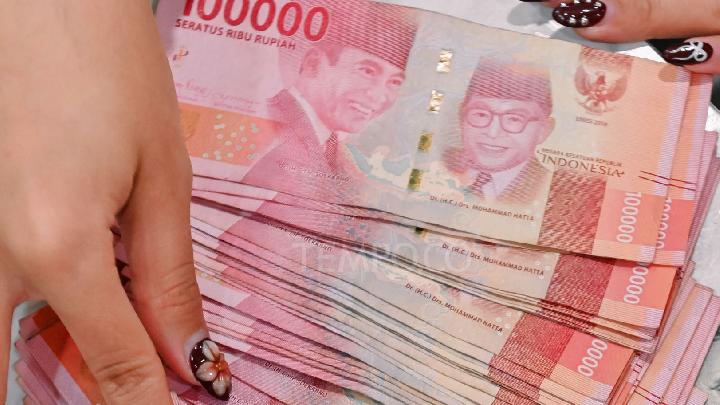
The rupiah exchange rate closed at the level of Rp 17,002 per US dollar on Monday's trading, March 30, 2026, weakening 22 points compared to the previous day's position at the level of Rp 16,979 per US dollar.
Today's Top 3 News: Rupiah Could Weaken to 20,000 per Dollar, Countries Allowed to Pass Through Strait of Hormuz
1 hari lalu
Here is the list of the top 3 news on Tempo English today.
Today's Top 3 News: All 3 'Project Hail Mary' Filming Locations in England
1 hari lalu

Here is the list of the top 3 news on Tempo English today.
Today's Top 3 News: Anwar Ibrahim Shares Insights from Meeting with Prabowo
3 hari lalu

Here is the list of the top 3 news on Tempo English today.
Today's Top 3 News: Amnesty Urges Prabowo to Form Team for Andrie Yunus Case
4 hari lalu

Here is the list of the top 3 news on Tempo English today.
Today's Top 3 News: Why Rupiah Could Weaken to 20,000 per Dollar
4 hari lalu
Here is the list of the top 3 news on Tempo English today.
Rupiah Seen Near Rp16,932 per US Dollar in Thursday Trade
5 hari lalu

Yesterday, the rupiah closed stronger by 0.44 percent at the level of Rp 16,910 per US dollar.
Today's Top 3 News: Why the Indonesian Rupiah Could Weaken to 20,000 per Dollar
6 hari lalu
Here is the list of the top 3 news on Tempo English today.
Rupiah Weakens as Hormuz Closure Fuels Risk-Off Sentiment
6 hari lalu

The rupiah opened lower in Jakarta on Wednesday, down 22 points, or 0.13 percent, to Rp16,920 per U.S. dollar from Rp16,898 previously.
Can Forex Restrictions Effectively Shield the Rupiah?
6 hari lalu

Bank Indonesia halves the monthly cash dollar purchase threshold to US$50,000 to curb rupiah volatility amid global geopolitical turmoil.