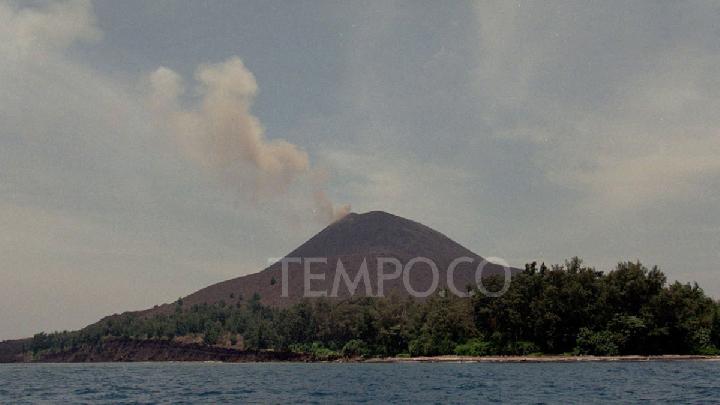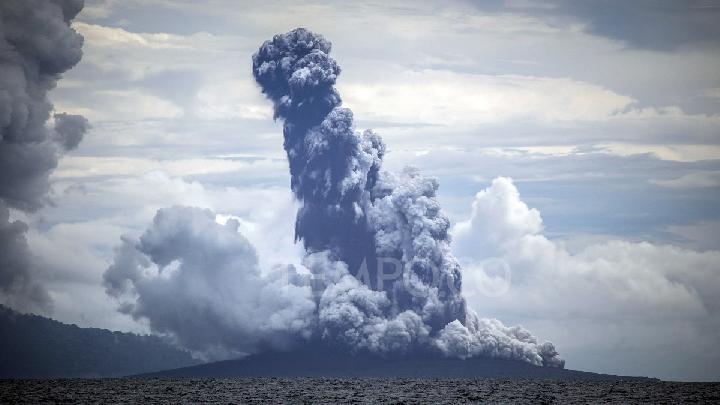
TEMPO.CO, Jakarta - Public vigilance regarding volcanic ash must not end once an eruption ceases. Deputy Chair I of the Central Executive Board of the Indonesian Internal Medicine Specialists Association (PAPDI), Dr. Sukamto Koesnoe, warned that health hazards linger long after the eruption.
Vigilance remains necessary as long as ash stays in the environment. Sukamto explained that as long as ash sits on ground surfaces, rooftops, and roadways, particles can be kicked back into the air by wind, vehicular traffic, and cleanup efforts, posing ongoing health risks.
"So the risk persists for days to weeks until the ash is completely cleared or washed away by rain," Sukamto told ANTARA in Jakarta on Tuesday, September 8.
Sukamto noted that volcanic ash is not ordinary dust, as it consists of sharp, angular silica particles, including fine matter (PM10 and PM2.5) capable of penetrating deep into the lower respiratory tract and alveoli.
Health Impacts of Lingering Volcanic Ash
1. Respiratory System
"The most common respiratory tract disorders include nasal irritation, a dry and sore throat, a dry cough, shortness of breath, and chest tightness," Sukamto said.
Inhaling these particles frequently triggers acute attacks or flare-ups in individuals with chronic conditions like asthma, chronic obstructive pulmonary disease (COPD), chronic bronchitis, and allergic rhinitis. Furthermore, irritation of the respiratory mucosa weakens local airway defenses, elevating the risk of acute respiratory infections.
2. Eye
The health hazards of volcanic ash extend beyond the respiratory system. Sukamto noted that risks also apply to ocular health, causing irritation, redness, conjunctivitis, and corneal abrasions from abrasive ash particles.
"Contact lens wearers face the highest risk and should temporarily switch to eyeglasses," he said.
3. Skin
Skin contact can lead to irritation, itching, and dermatitis, particularly if the ash is acidic or reacts with sweat.
4. Digestive Tract
Additional hazards arise if ash contaminates exposed food and drinking water, causing gastrointestinal distress.
5. Heart and Blood Vessels
Airborne PM2.5 particles pose cardiovascular risks, potentially aggravating underlying conditions in individuals with heart disease.
6. Long-Term vs. Acute
"Silicosis is often cited, but that is a long-term risk resulting from years of repeated exposure. What is more relevant to the public right now are these acute impacts," Sukamto said.
How to Protect Yourself
1. Update Vaccinations
"For patients with chronic lung disease and the elderly, influenza and pneumococcal vaccinations should be updated. This is an often-forgotten part of the protection system," said the lecturer from the Division of Allergy and Clinical Immunology at the Faculty of Medicine, University of Indonesia (FKUI).
2. Keep Medications Accessible
Sukamto advised asthma and COPD patients to ensure controller and reliever medications are always available and carried when traveling.
3. Know When to Seek Medical Attention
"See a health facility immediately if you experience worsening shortness of breath or wheezing that doesn't improve with an inhaler, chest pain, fever with a persistent cough with phlegm, or eye pain and blurred vision," said the clinical educator in the Division of Endocrinology, Immunology, and Infection at Cipto Mangunkusumo Hospital (RSCM).
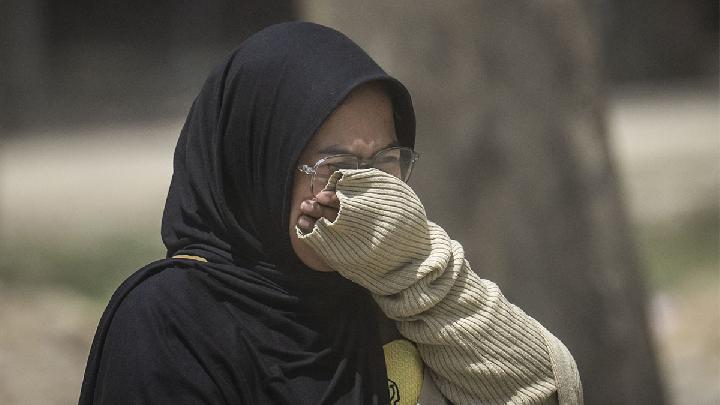
4. Wear Proper Fitting Masks
To mitigate particle exposure, Sukamto recommended N95, KN95, or FFP2 respirators as the most effective defense, provided they fit tightly without gaps at the nose and cheeks. When wearing a mask, he noted, the key is not just the filter material, but the tightness of the seal to the face.
Read: How Harmful Is Volcanic Ash to Plants?
Click here to get the latest news updates from Tempo on Google News