
The government must be more transparent about its plan to save Sumatran and Bornean elephants. There are major business interests behind it.
THE importance of saving elephants should no longer be a subject of debate. What needs to be ensured is that this policy fulfills the highest standard of transparency. The greater the ecological and economic values of a reserve, the greater the government’s responsibility to be open to public scrutiny and criticism.
This principle should be the basis for implementing the Presidential Instruction No. 8/2026 regarding Conservation of Sumatran and Bornean Elephants and Their Habitats. The decree inked by President Prabowo Subianto will see the expansion of the habitat from around 4.6 million hectares to 5.45 million hectares.
The plan to add almost one million hectares to the reserve should be accompanied by further explanation and a transparent policy formulation process. The government needs to explain the scientific basis of the plan, its impact on the communities, and a strategy to truly recover the elephant population.
The biggest issue so far has not just been the habitat size. Human-elephant conflict continues to escalate when the wildlife crosses paths with plantations and human settlement. Humans resort to shortcuts: from traps, poison to electric fence, that led to elephant deaths and their population decline. Without a clear strategy, the habitat expansion risks widening the human-elephant conflict areas.
The government has often been part of the problem. On the one hand, it wants to widen the habitats. On the other, it has issued mining concessions and forest utilization permits for the same natural landscape for years. If habitat fragmentation is the primary cause behind the elephant population decline, why is overhauling concessions not a priority?
The fact is that many conservation projects nowadays also have an economic dimension via carbon trading, compensation for environmental services, biodiversity credits, and nature tourism. Governance of the Way Kambas National Park in Lampung demonstrates that this dimension is no longer a possibility, but a reality. There is nothing wrong with conservation generating economic benefits, as long as these benefits are the fruits of success from protecting nature, and are enjoyed equitably by all stakeholders—instead of becoming the privilege of a handful with access to power.
Therefore, from the outset, the government must explain how this new area will be managed, how human-elephant conflict will be mitigated, whether concession overhauling will be part of the policy, and how economic benefits will be governed and monitored. The more open its answers to these questions, the stronger the public’s trust will be.
Ultimately, the success of saving elephants is measured not solely by the expansion of the reserves, but also by recovery of the elephant population, decrease in their conflict with humans as well as the government’s courage to correct the concession policies that have caused encroachment of wildlife habitats.
The good intention to protect elephants and their habitats certainly is praiseworthy. However, as with other public policies, good intentions must be proven through good governance, consistent protection of the habitats, and maximum benefit to communities surrounding the reserves.
15 Dead Elephants Likely Poisoned by Cyanide in Kenya
7 menit lalu

The elephants ate contaminated tomatoes from nearby farms. It was unclear if the poisoning was deliberate or accidental.
Trail of Elephant Deaths Hits Tesso Nilo and Way Kambas
30 hari lalu
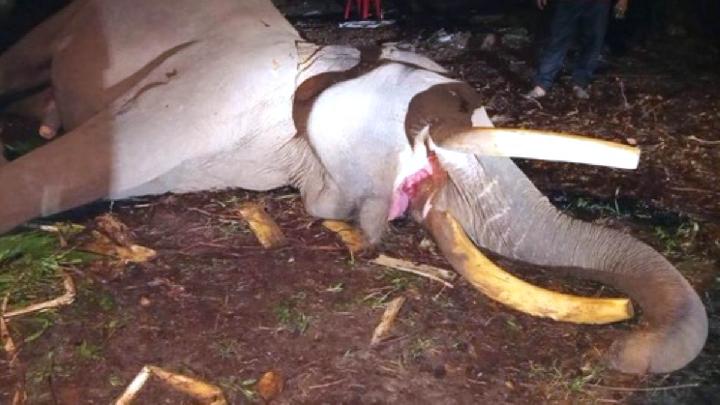
The two elephants that died are Indro, who died in Tesso Nilo, and Indra, who died in Way Kambas.
Prabowo to Aid Way Kambas Fence Construction to Curb Human-Wildlife Conflict
12 Maret 2026

The decision was made to address the recurring conflict between wildlife and humans in Way Kambas.
Indonesia Bans Elephant Riding at Tourist Attractions
9 Maret 2026
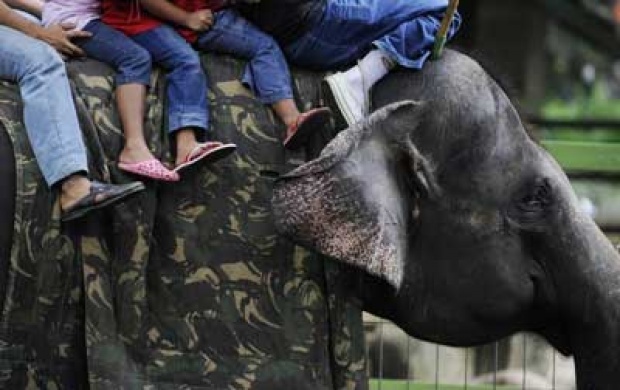
Indonesia has officially banned tourists from riding elephants at all tourist attractions. It is the latest government regulation since 2025.
Sumatran Elephant Found Dead in Riau, Tuskless with Head Severed
6 Februari 2026
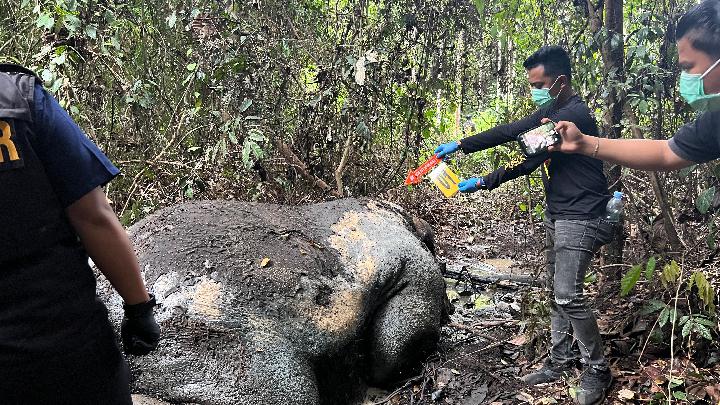
The male elephant died in a sitting position, without tusks, with its head and trunk severed.
Prabowo Meets King Charles III, Discusses Elephant Conservation
22 Januari 2026
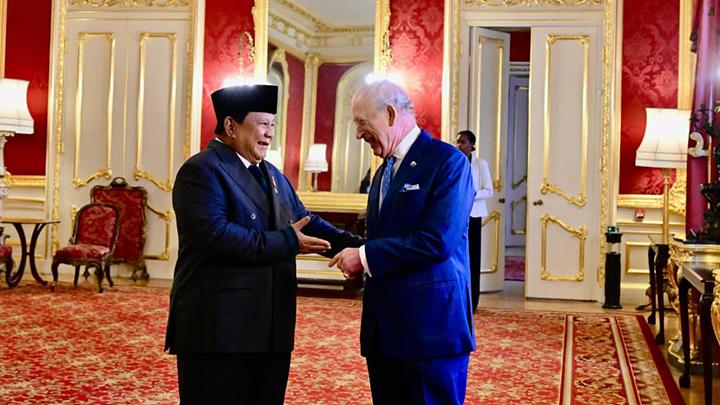
Indonesian President Prabowo Subianto met with King Charles III of England at Lancaster House, London, on Wednesday, January 21, 2026.
Way Kambas National Park Closes Amid Elephant Conflicts
16 Januari 2026

Way Kambas National Park has temporarily closed to the public starting Jan. 16, 2026, to mitigate conflicts between wild elephants and residents.
India: 7 Elephants Killed in Passenger Train Collision
20 Desember 2025

A herd of about 100 wild elephants were trying to cross a railway line when the train driver spotted them.
Way Kambas Welcomes Newborn Sumatran Elephant, Renewing Conservation Hopes
7 Desember 2025
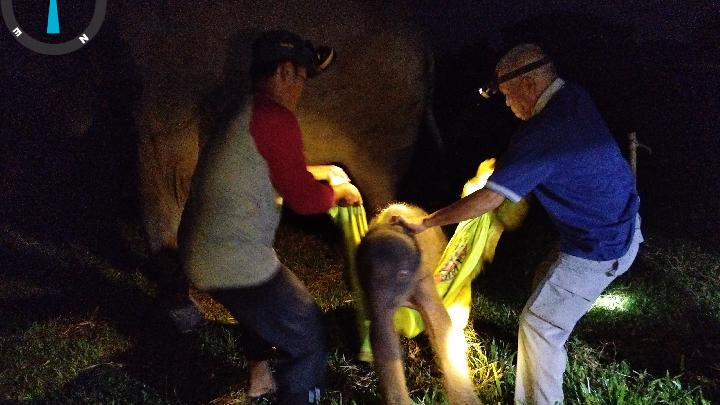
The birth of the baby elephant brings joy after the previous sorrow following the death of two elephants in Way Kambas National Park.
Sumatran Elephant Found Dead in Flood-Stricken Aceh Village
29 November 2025
A Sumatran elephant was found dead in Pidie Jaya Regency, Aceh, after floods rampaged the area.